Death Valley Stargazing Tour Logo
English| EUR
Suggested for you
More currencies
Book Now
Open today · 00:00–23:59

Death Valley Stargazing Tour

Stargazing Tours in Death Valley National Park — Guided Dark-Sky Nights

Ten thousand stars over the salt flats, no city glow between them.

50K+ travelers chose this
Free Cancellation
Right now: Moderate — summer season Check official site for heat warnings before your death valley stargazing tour.
3-4 hours after sunset
1 Languages
Small groups, 12 maximum
Free Cancellation
Free cancellation Instant confirmation Mobile voucher Verified partner Book now, pay later
Choose your ticket

Death Valley Stargazing tickets at a glance

Compare fares, pick the fit — all bookings are mobile-voucher and eligible for free cancellation where shown.

Death Valley Day Trip from Las Vegas 12 hr
Guided Experience

Death Valley Day Trip from Las Vegas

4.9 (427)
€172
  • Expert local guide
  • Small group
  • Skip-the-line access
  • Free cancellation
Book this ticket
Death Valley Sunset & Stargazing Tour from Las Vegas 12 hr
Guided Experience

Death Valley Sunset & Stargazing Tour from Las Vegas

5 (26)
€215
  • Expert local guide
  • Small group
  • Skip-the-line access
  • Free cancellation
Book this ticket
Compare options

Compare Death Valley Stargazing ticket options

Experience FromDurationRatingSkip-the-lineGuideSmall group Price
Guided Experience
Most popular
Death Valley Sunset & Stargazing Tour from Las Vegas
Las Vegas12 hr★ 4.8 €215 Book →
Guided Experience
Death Valley Day Trip from Las Vegas
Las Vegas12 hr★ 4.9 €172 Book →
Guided Experience
Death Valley Sunset & Stargazing Tour from Las Vegas
Las Vegas12 hr★ 5.0 €215 Book →

Is a Professional Death Valley Stargazing Tour Worth the Cost?

Worth it for first-timers without a telescope

A death valley stargazing tour buys you three things you cannot easily self-supply: a guide who can actually read the sky, optics worth more than your car, and someone else driving unlit desert roads at 2am. The park is a Gold Tier International Dark Sky Park, so the Milky Way core, Andromeda, and summer meteor activity show up whether or not you pay anyone. What you are really purchasing is interpretation and hardware — a Dobsonian pointed at Saturn's rings beats squinting at a phone app, and a guide naming the Scorpius and Sagittarius star fields turns scattered light into something legible. Guided death valley stargazing tour tours pay off for first-timers, families, and anyone nervous about desert navigation. Confident amateurs with binoculars, a red headlamp, and a rental car should skip the booking and drive out alone.

What makes it worth it

  • Research-grade telescopes you would never haul yourself
  • Guide identifies constellations, planets, deep-sky objects live
  • No night driving on unlit, wildlife-heavy desert roads
  • Gold Tier dark skies with minimal light pollution
  • Astrophotography coaching most solo visitors lack

Keep in mind

  • Fixed departure times ignore your own energy levels
  • Full moon nights wash out the Milky Way
  • Group pacing means queuing for eyepiece time
  • Summer night heat stays uncomfortable well past midnight

Bottom line: Book the death valley stargazing tour tickets if you want the sky explained; go solo if you only want it seen.

Head to head

Death Valley Stargazing Tour vs. Self-Drive Trip: Which Is Better?

Professional packages are superior for educational depth, while a self-drive night sky excursion offers unmatched personal flexibility. Visitors seeking a death valley stargazing tour value the curated narrative provided by experts, whereas independent travelers prefer the autonomy of managing their own nocturnal exploration.

Top pick
Guided Tour
Self-Drive Trip
Transportation provided None (personal vehicle)
Guided astronomy expertise Independent study
Equipment included Personal binoculars/camera
Convenience factor Low (requires navigation)
Logistics and planning Full planning needed
Total cost Variable (gas and entry)

Verdict: Securing death valley stargazing tour tickets is ideal for those prioritizing professional interpretation, while self-drive outings remain the best choice for budget-conscious photographers looking to customize their evening itinerary.

Featured Experiences

Popular Death Valley Stargazing tours & activities

Hand-picked experiences loved by thousands of travelers

Recommended Experience

Powered by GetYourGuide

Another traveler favorite

Powered by GetYourGuide
Death Valley & Rhyolite Ghost Town Day Trip from Las Vegas 1 day Free Cancellation

Death Valley & Rhyolite Ghost Town Day Trip from Las Vegas

Journey to America's hottest national park and explore an abandoned gold rush town on this full-day adventure

4.7 (333)
FromFrom €146.93
See details
Death Valley National Park Day Trip from Las Vegas 10 hours Free Cancellation

Death Valley National Park Day Trip from Las Vegas

Escape the city for a full-day adventure through America's hottest desert wilderness

4.8 (45)
FromFrom €146.92
See details
Death Valley Stargazing & Sphere Exterior Tour from Las Vegas 1 day Free Cancellation

Death Valley Stargazing & Sphere Exterior Tour from Las Vegas

Journey to one of Earth's most extreme deserts, witness a golden sunset, gaze at stars, and see the iconic Sphere

5 (13)
FromFrom €137.42
See details
Death Valley Day Trip with Sunset & Stargazing from Las Vegas 11 hours Free Cancellation

Death Valley Day Trip with Sunset & Stargazing from Las Vegas

Journey from Vegas to America's lowest point, explore stunning desert landmarks, and witness stars under pristine night skies

4.6 (19)
FromFrom €344.84
See details
Death Valley & Mojave Desert Day Trip from Las Vegas 1 day Free Cancellation

Death Valley & Mojave Desert Day Trip from Las Vegas

Journey into America's hottest desert for sunrise views, salt flats, dunes, and expert-led exploration

4.8 (9)
FromFrom $240
See details
Private Death Valley Day Trip from Las Vegas 11 hours Free Cancellation

Private Death Valley Day Trip from Las Vegas

Discover America's lowest point and stunning desert vistas on an exclusive 11-hour adventure

5 (1)
FromFrom €1123.55
See details
What you'll see

What you'll see at Death Valley Stargazing

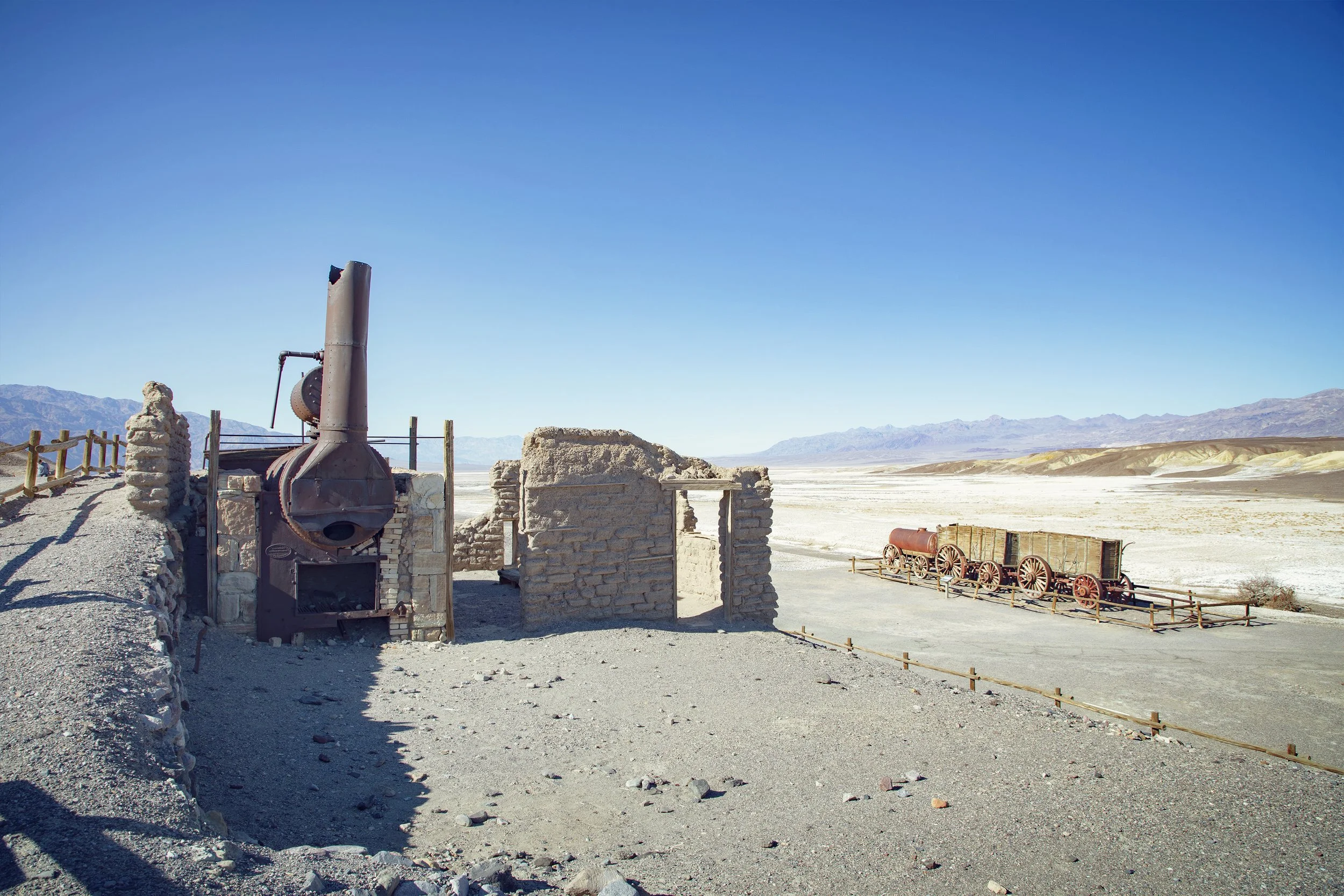
Harmony Borax Works

Harmony Borax Works

A historic site featuring large open areas and interpretive signs, ideal for observing the Milky Way.

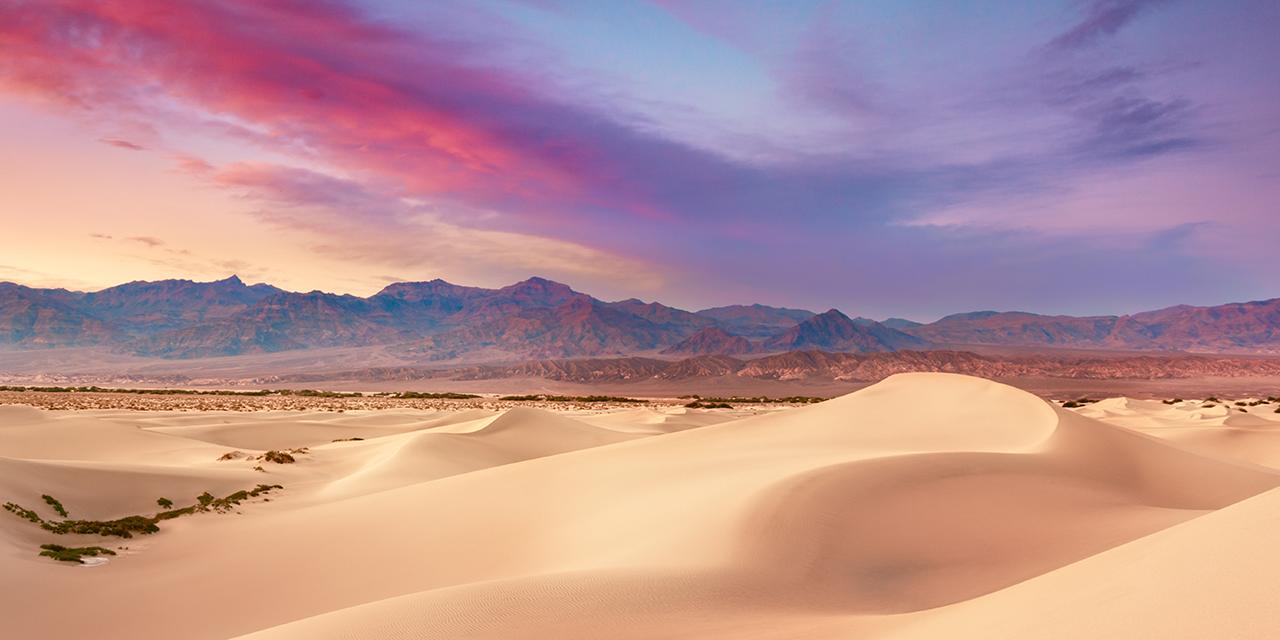
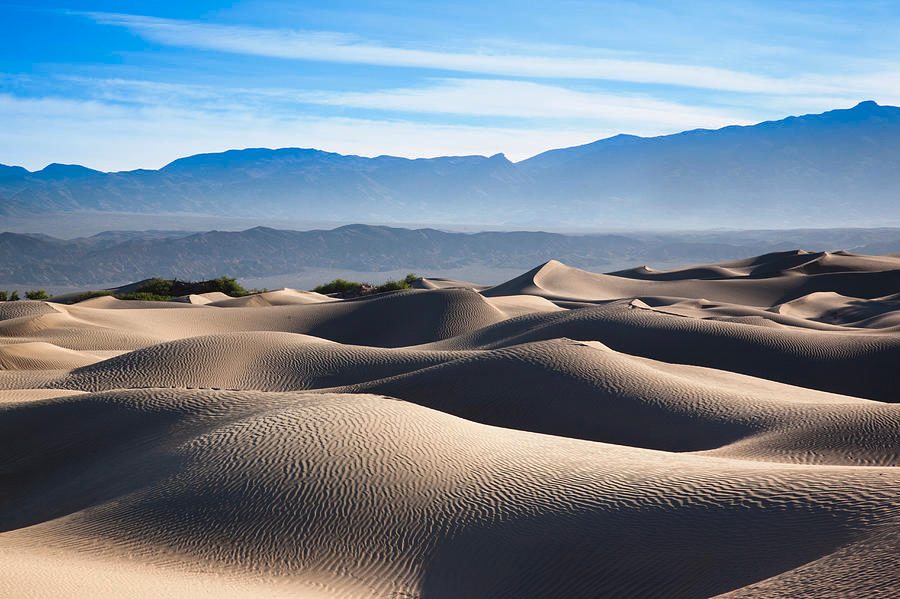
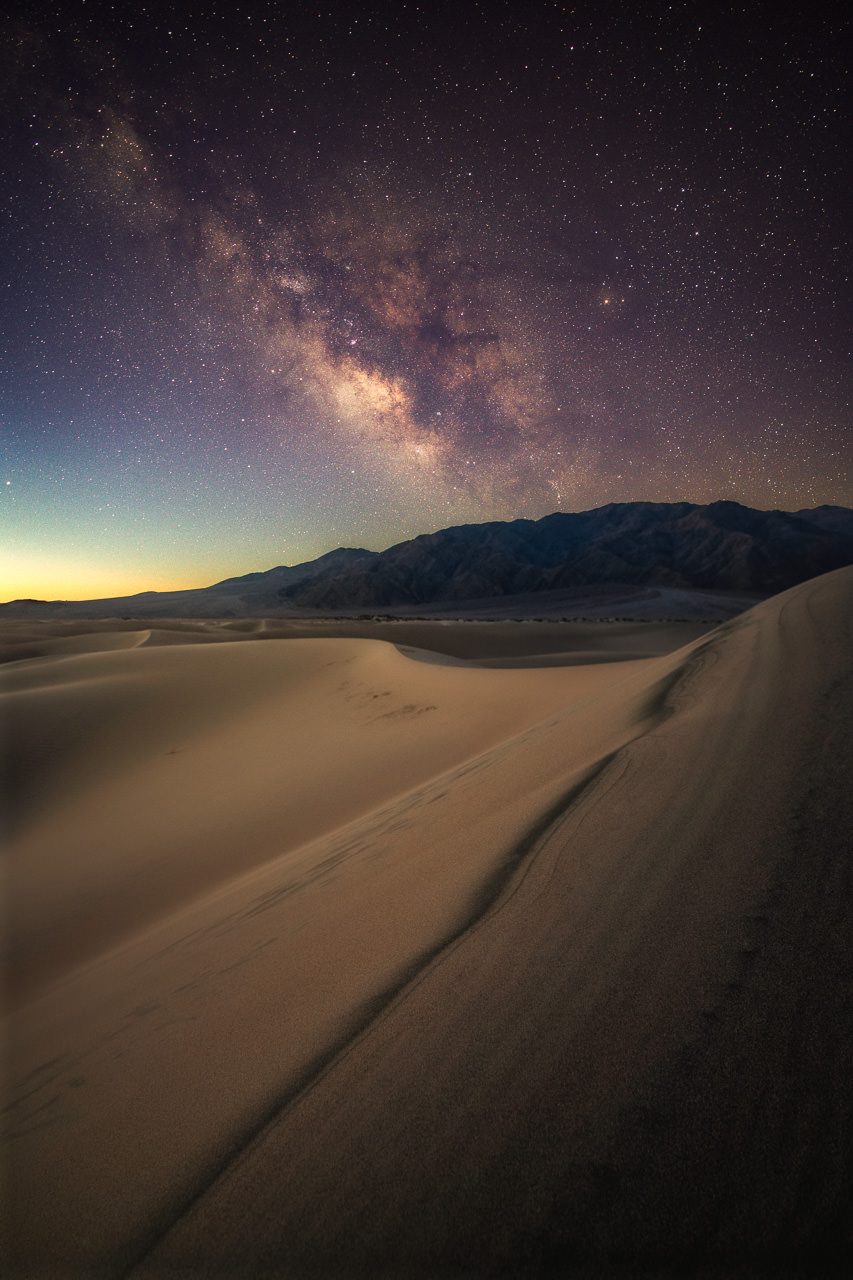
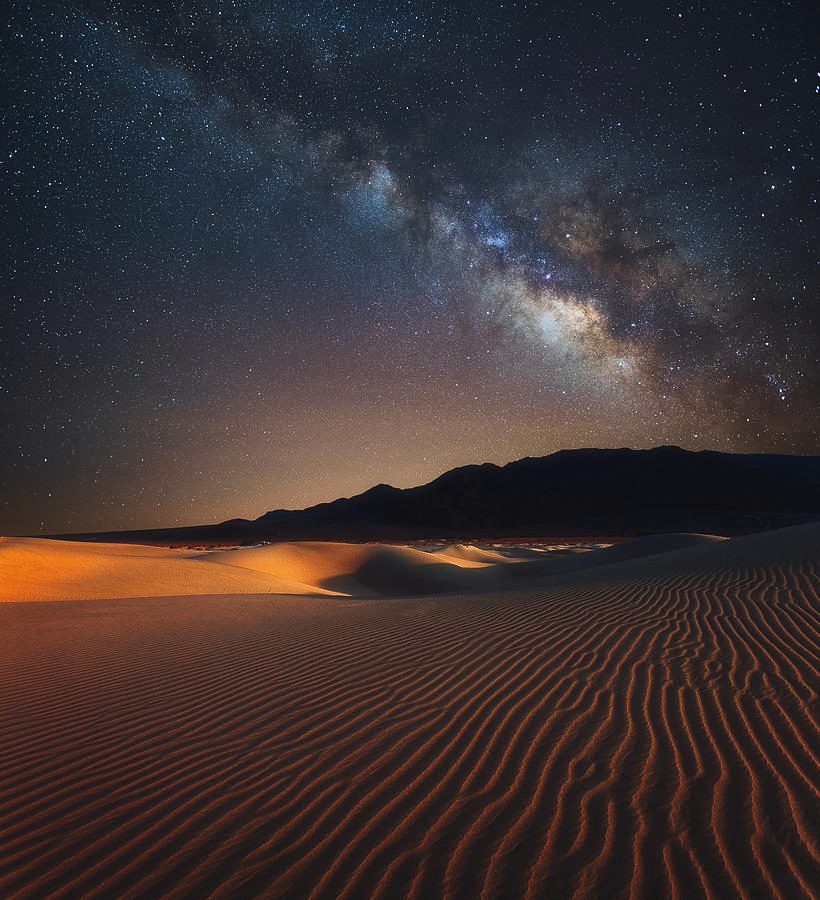
Mesquite Flat Sand Dunes

Mesquite Flat Sand Dunes

Soft, rippled sand dunes that provide a surreal landscape for night sky viewing.

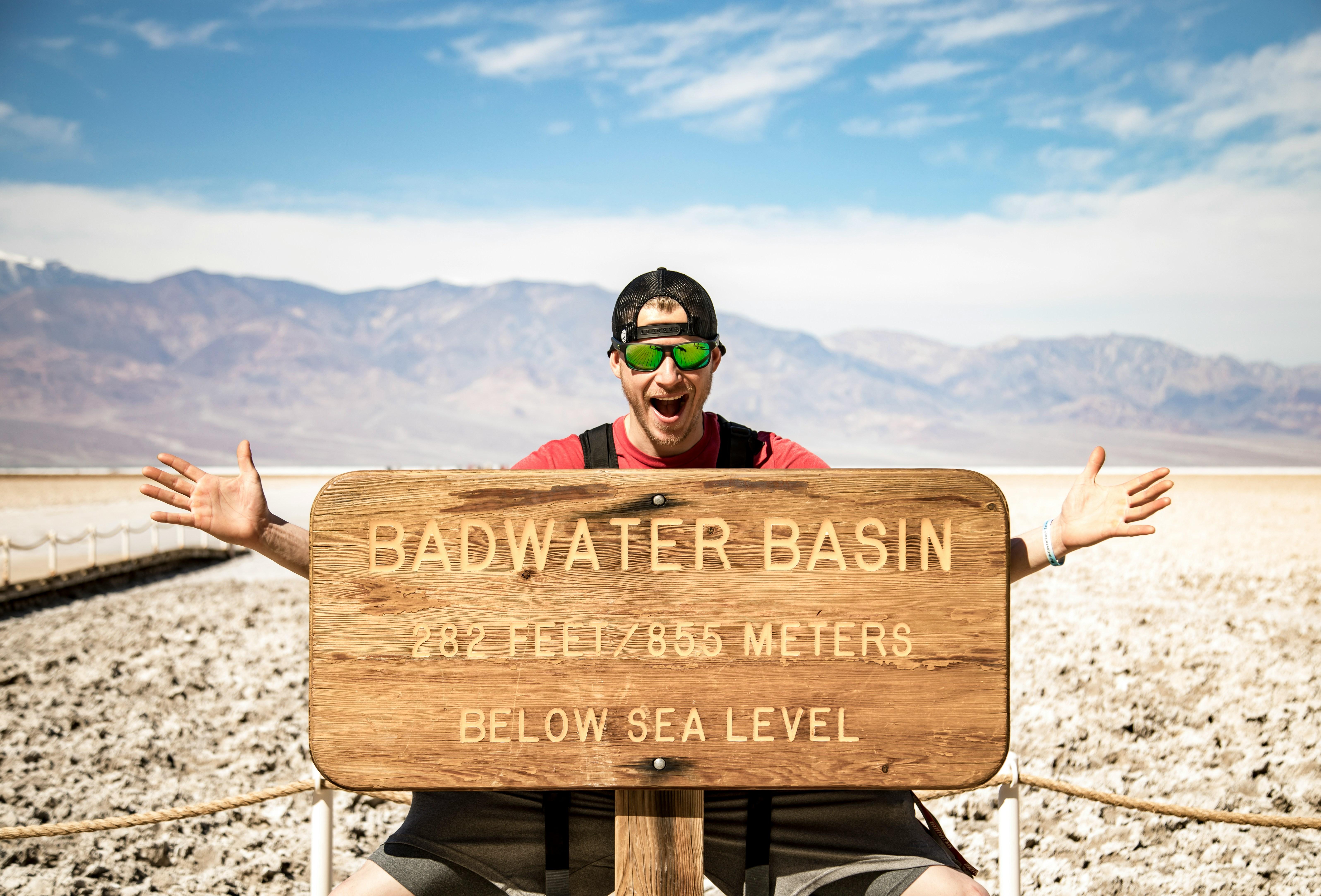
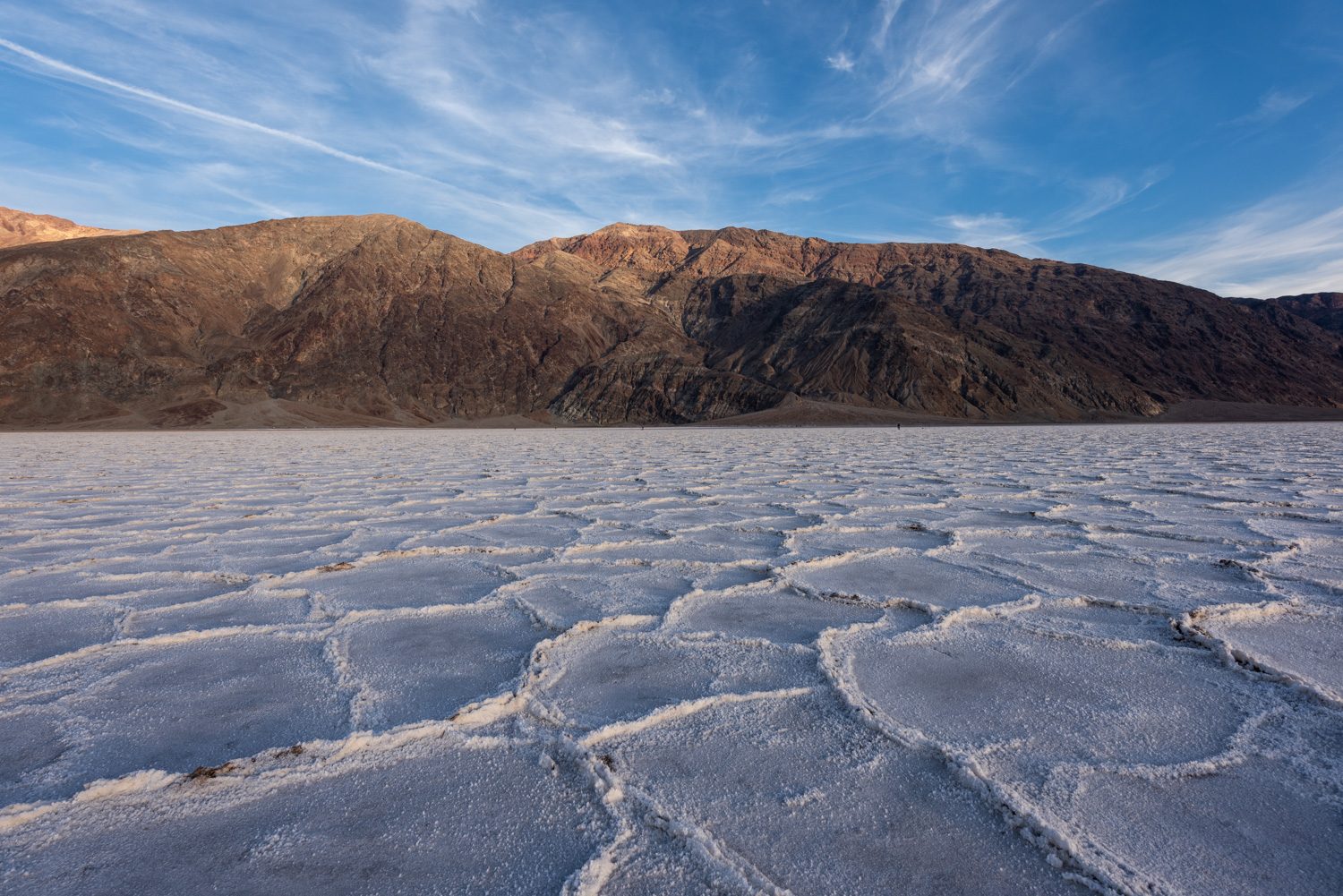
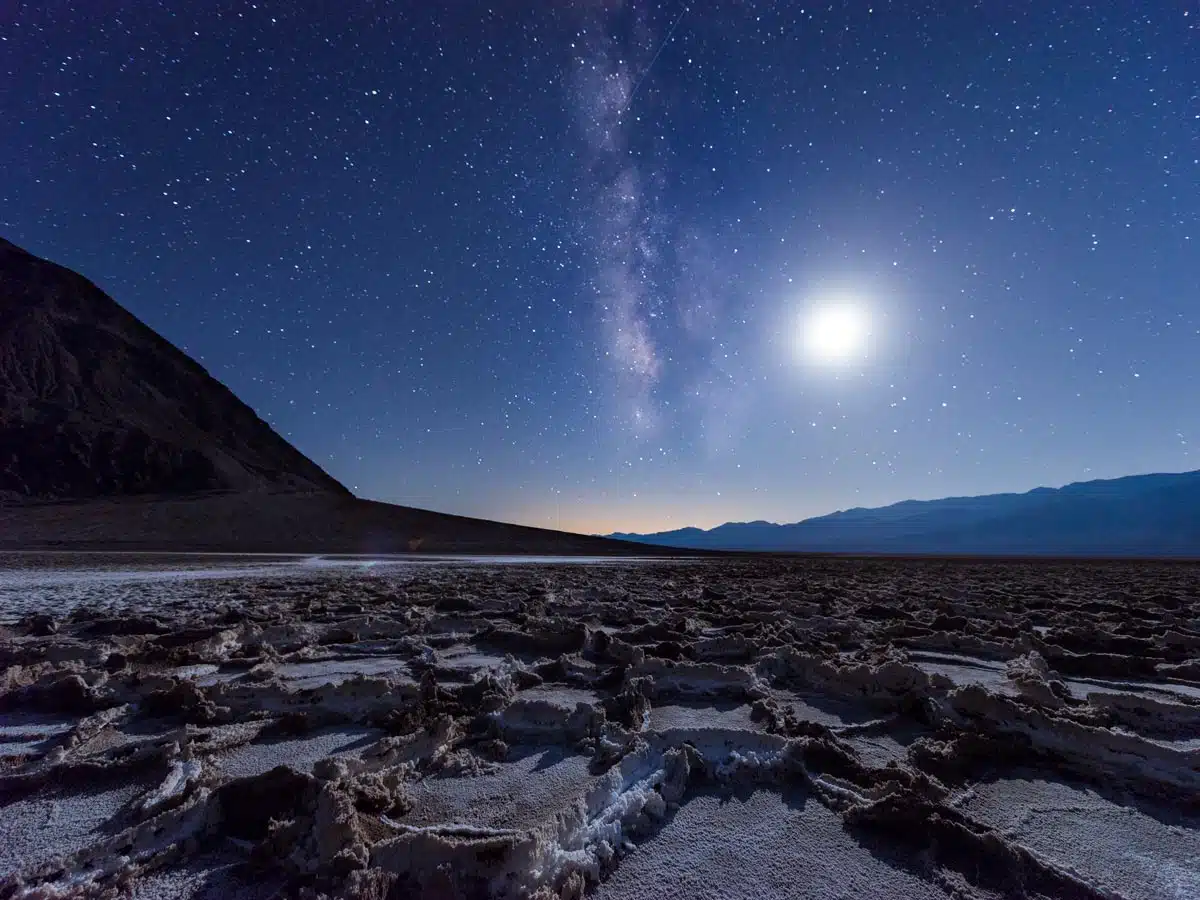
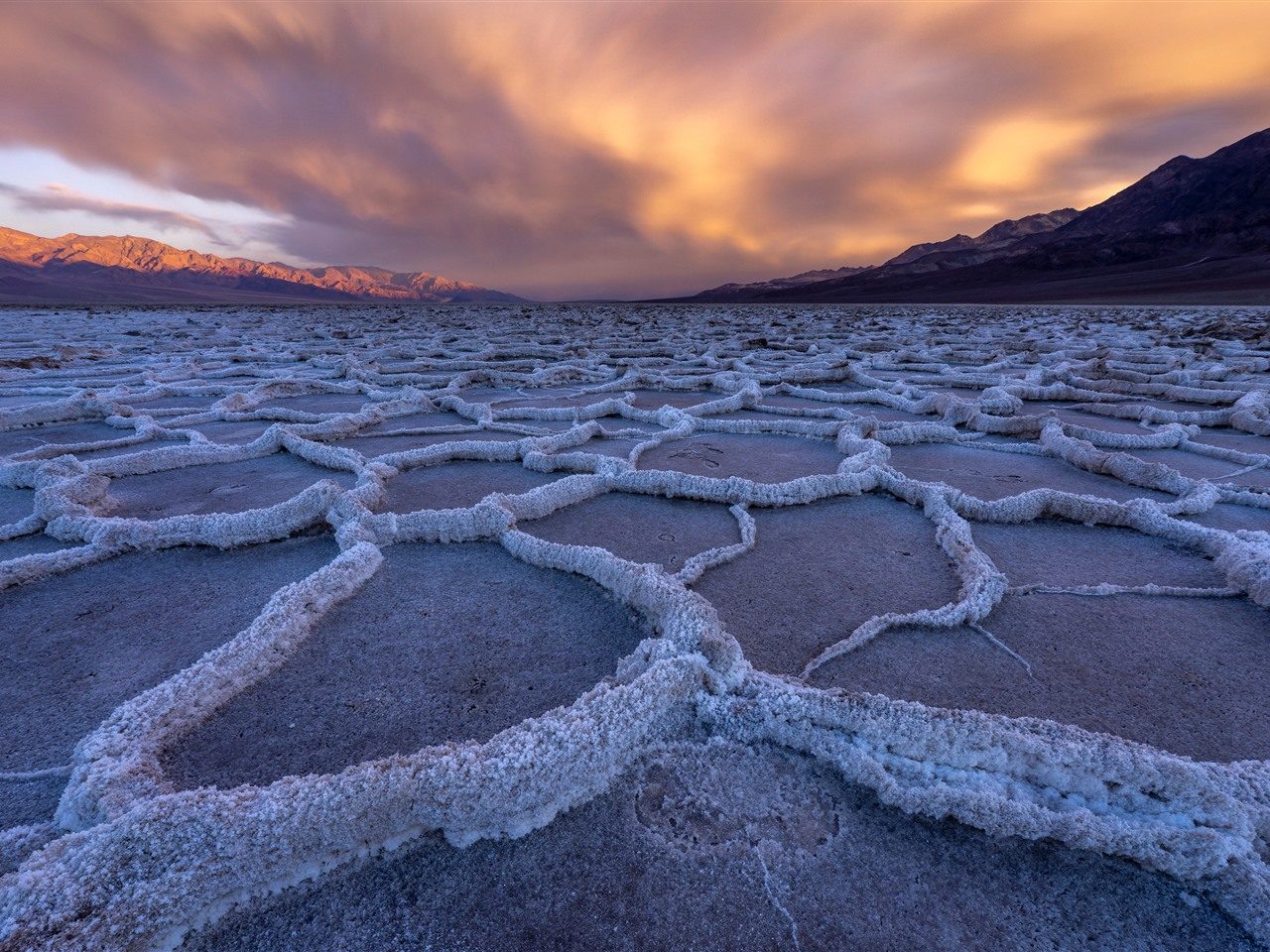
Badwater Basin

Badwater Basin

The lowest point in North America, where surrounding mountains help block horizon light pollution.

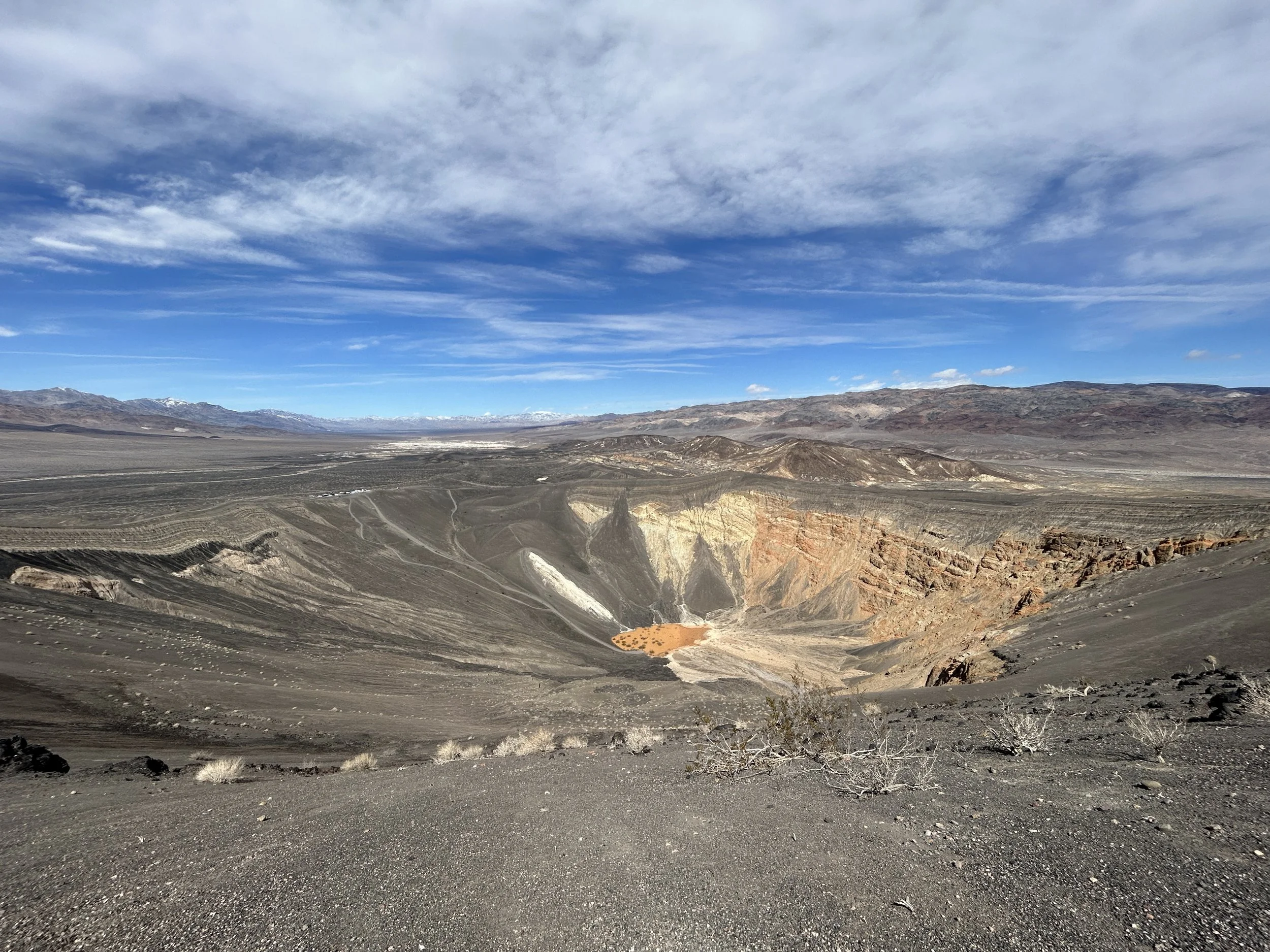
Ubehebe Crater

Ubehebe Crater

A massive volcanic crater providing an expansive horizon view for stargazers.

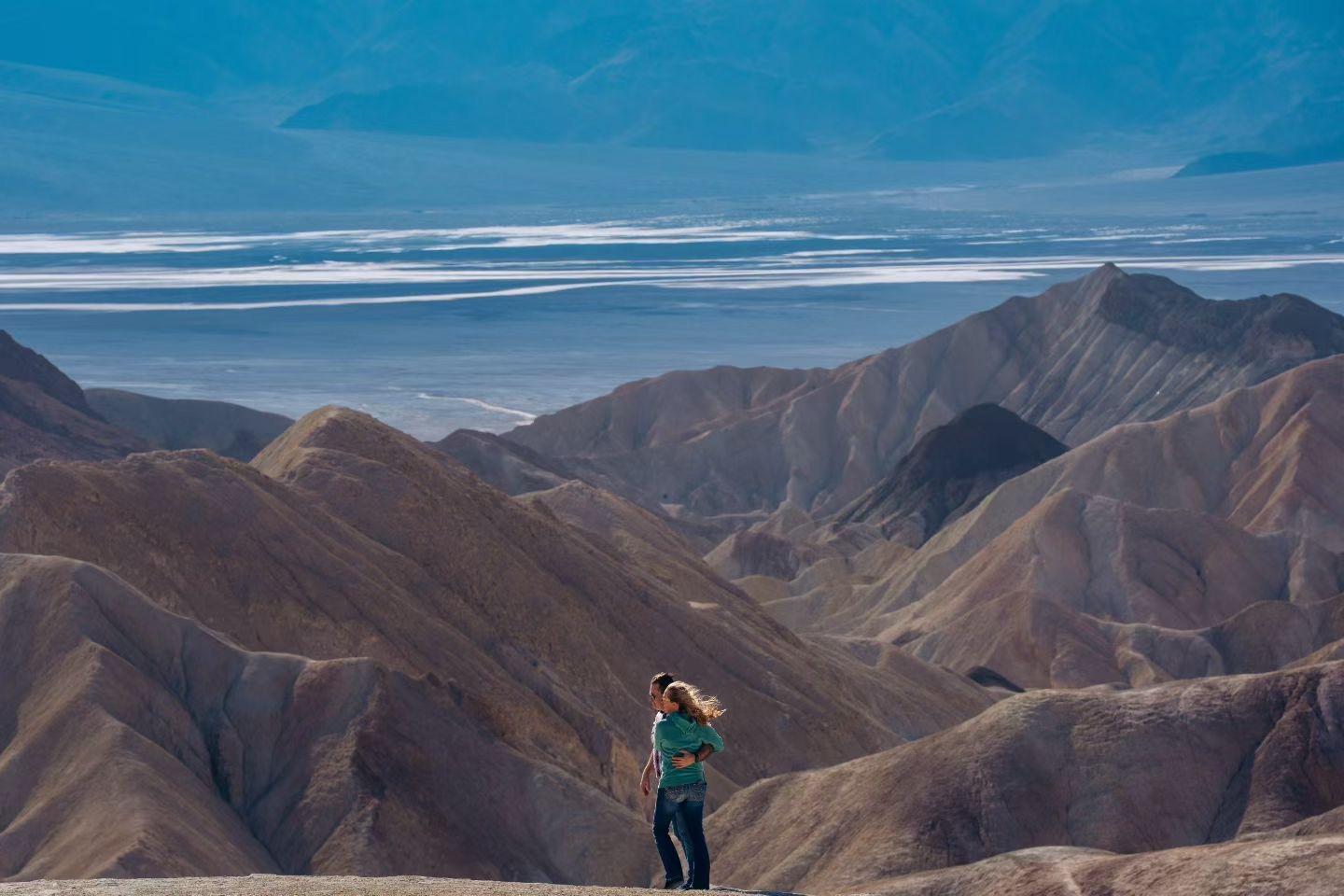
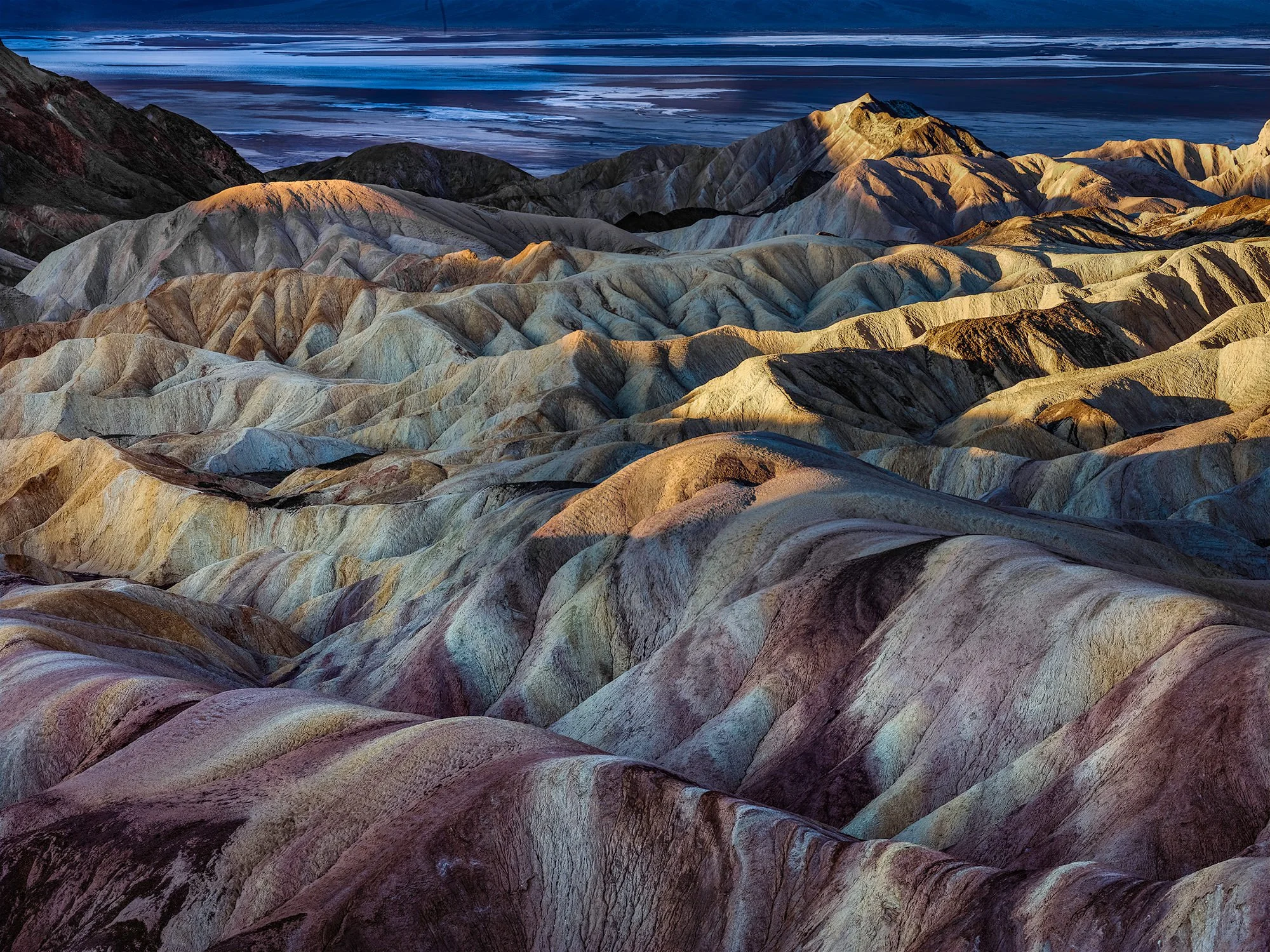
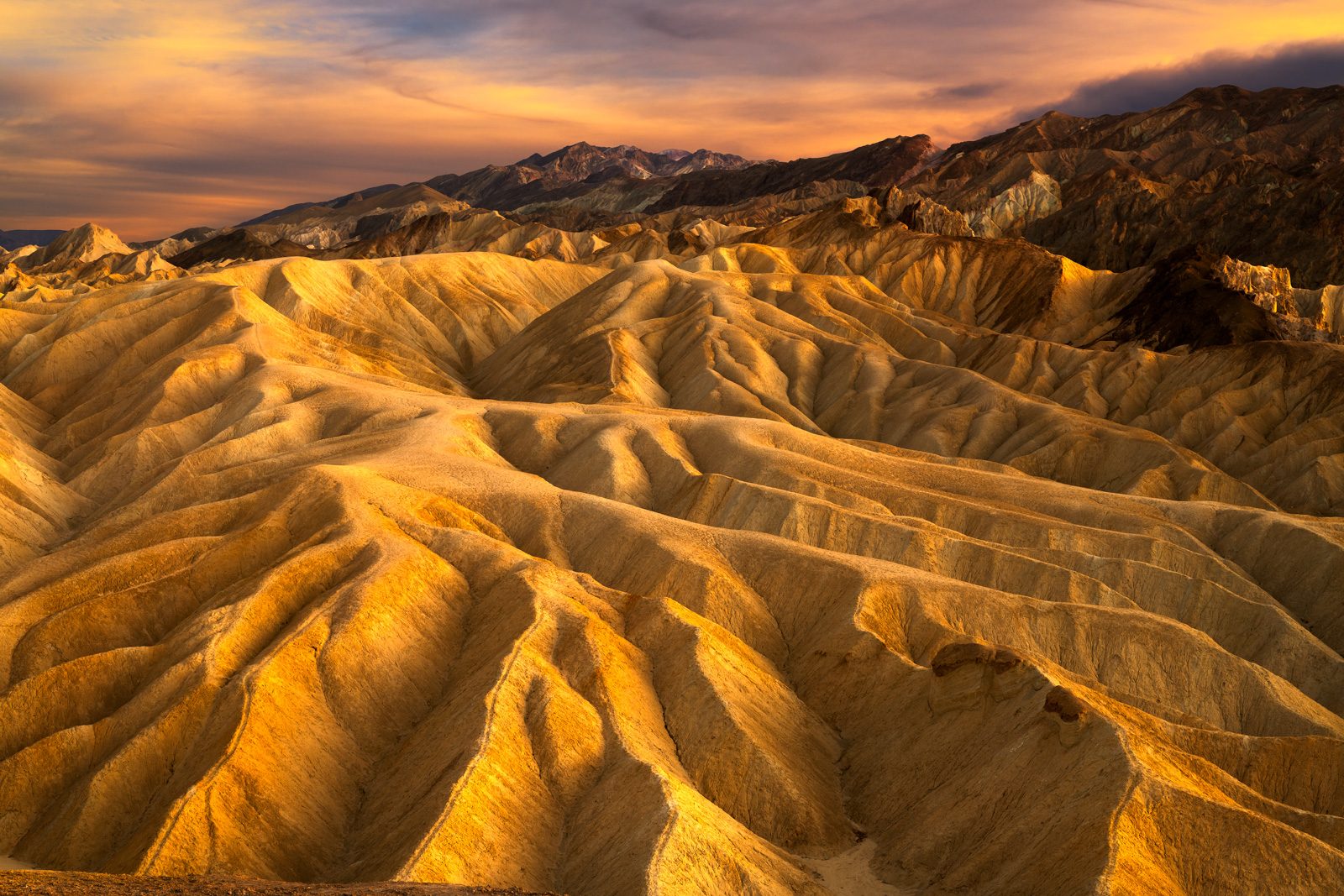
Zabriskie Point

Zabriskie Point

Famous for its golden badlands, this location offers a unique perspective for celestial photography.

The experience

What visiting Death Valley Stargazing is really like

You pay the 30 USD seven-day vehicle pass at the entrance kiosk — it covers everyone in the car — and drive in while there is still light on the Panamint Range. You stop at the Furnace Creek Visitor Center, pick up a red-filtered flashlight, and check the moon phase posted by the door.

Read more Show less

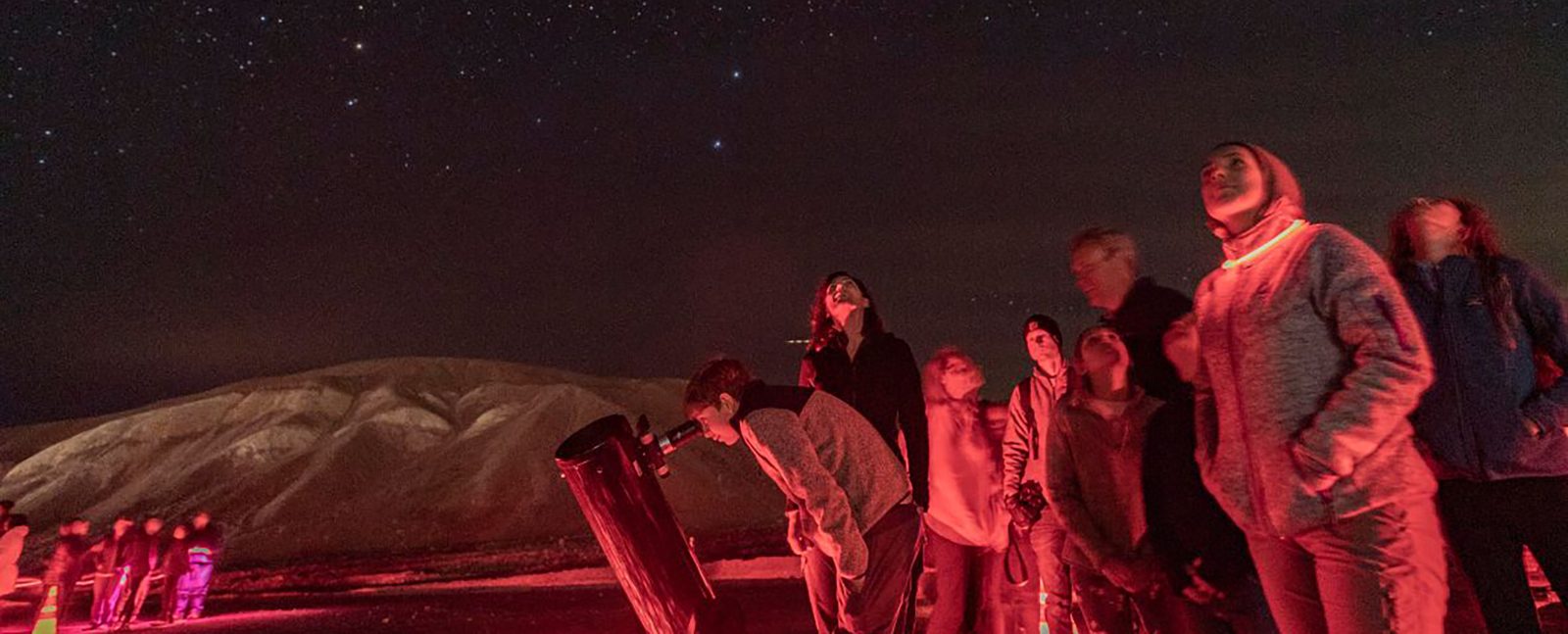
You leave the pavement before full dark. Death Valley Stargazing Tour tickets usually bundle a guide, a Dobsonian reflector, and a reserved pull-out off Badwater Road; independent visitors simply park, kill the headlights, and wait twenty minutes for their pupils to widen. Coaches running the Death Valley sunset and stargazing tour from Las Vegas unload here too, passengers blinking as the interior lights go out.

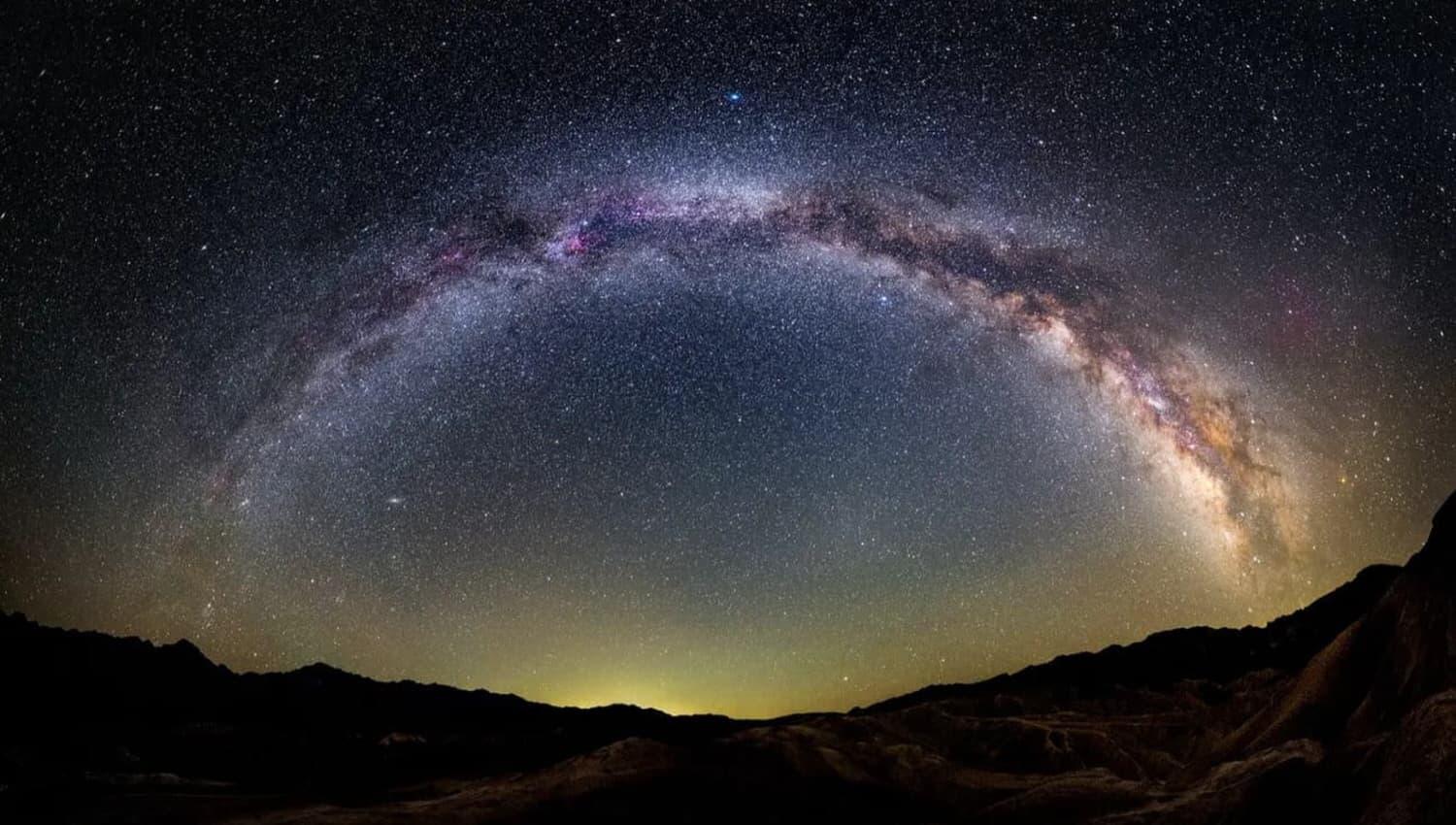
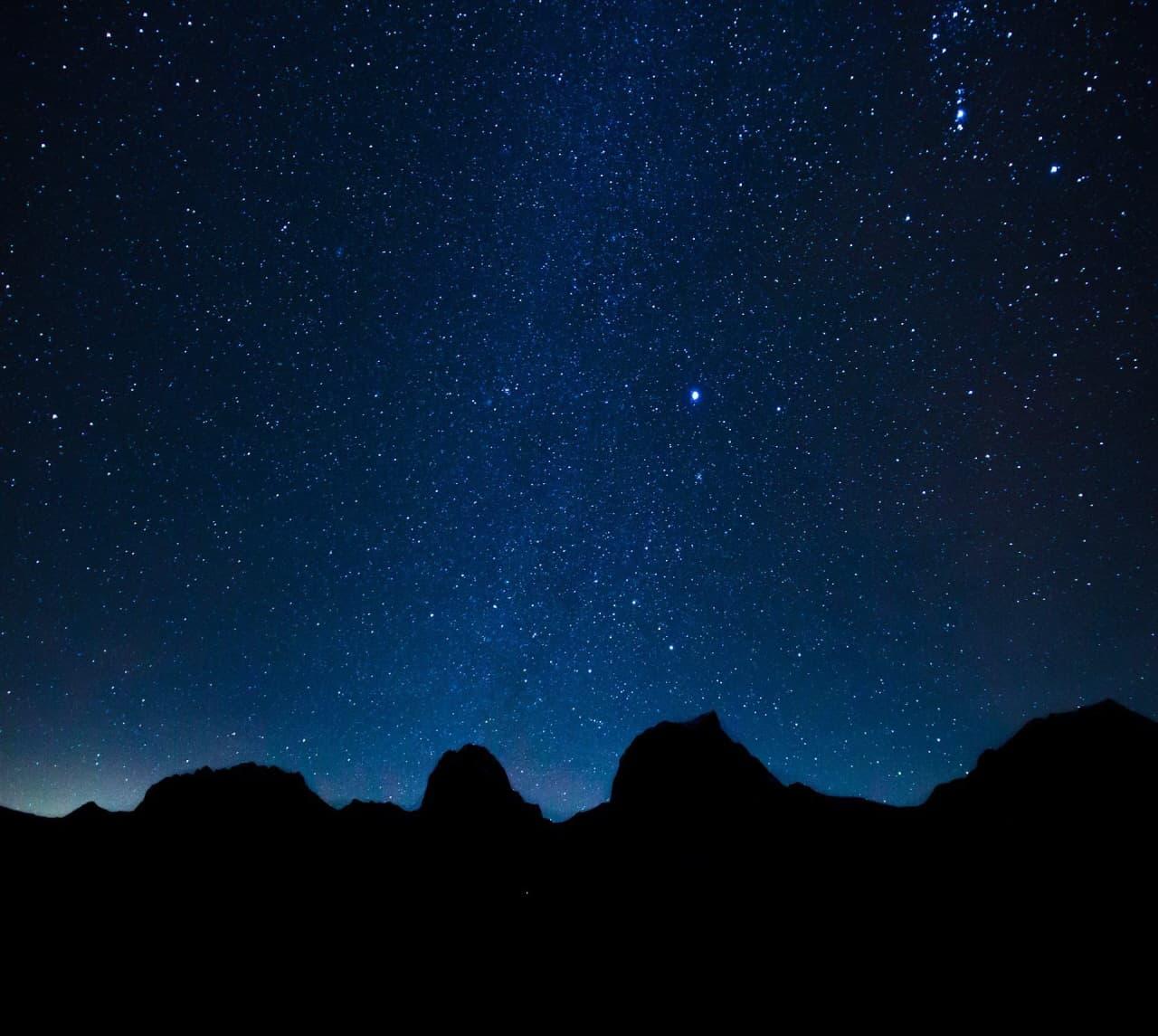
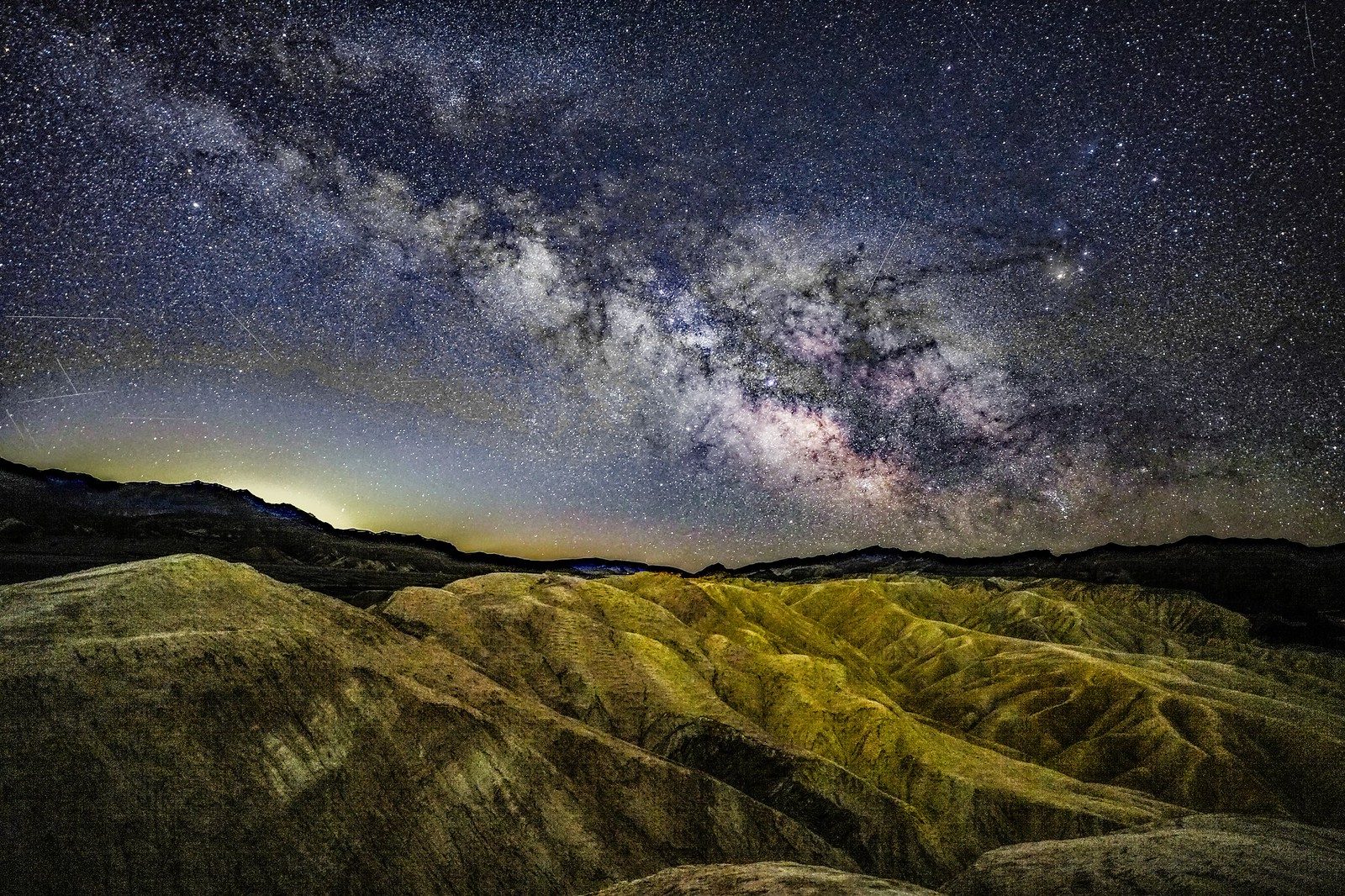
Then the sky assembles itself. Scorpius comes first, low and red at Antares. The Milky Way follows, a pale band running horizon to horizon with the galactic core plain to the naked eye. You lie back on ground still warm at 282 feet below sea level, trace three satellites in ten minutes, and lose count of meteors. The park never closes, so you stay until the thermos runs dry and drive out with the windows down.

Death Valley Stargazing Tour
Everything You Need to Know

Your complete Death Valley Stargazing guide

All the details about your upcoming adventure in one place

Your Death Valley Stargazing Tour Explained

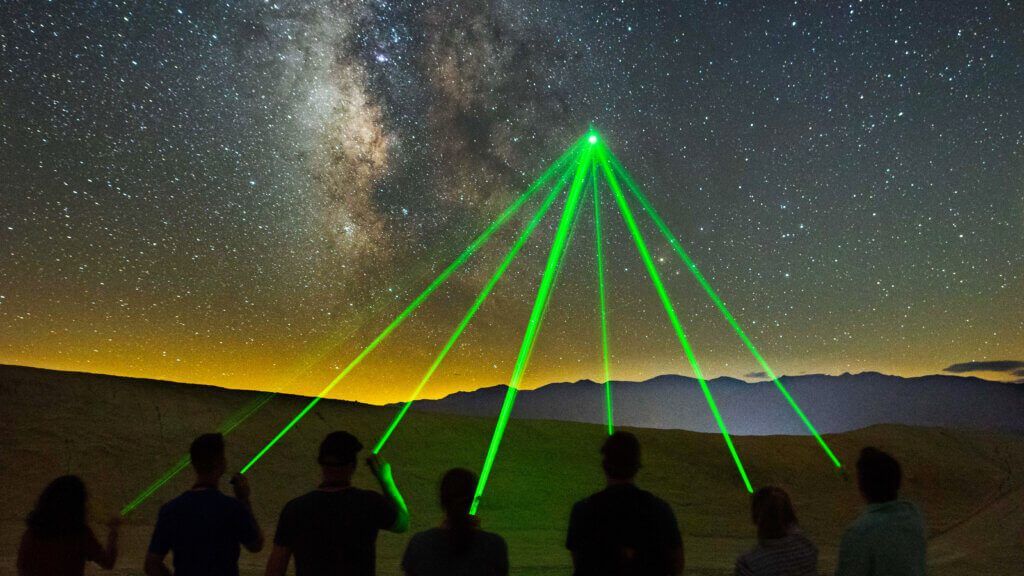
Death Valley holds Gold Tier International Dark Sky Park status, and a death valley stargazing tour puts that rating to work with telescopes aimed at Saturn, the Andromeda Galaxy, and the Milky Way core rising over the Panamint Range. Guides run laser-pointer constellation walks from open desert pullouts near Badwater Basin and Mesquite Flat, translating what the naked eye already catches into something you can name. Most death valley stargazing tour tickets include telescope time, red-light headlamps, and hot drinks for the drive back.

Starlight here is bright enough to cast a shadow. Death Valley's 3.

4 million acres form the largest International Dark Sky Park in the United States, certified Gold Tier in 2013, and the premise of any Death Valley Stargazing Tour is subtraction — no interstate glare, no suburb, no refinery burning at the edge of sight. The nearest significant light dome belongs to Las Vegas, roughly 120 miles east, and it registers as a faint smudge above the Funeral Mountains.

The emptiness was engineered by geology rather than policy. A rain shadow cast by the Panamint Range and three ranges beyond holds annual precipitation near two inches, and dry desert air scatters less light than humid air, sharpening the Milky Way core into a visible seam. The Timbisha Shoshone, who have lived in and around the valley for more than a thousand years, read those skies for seasonal cues long before borax wagons crossed the salt pan in the 1880s. Twenty-mule teams hauled ore out of the Harmony Borax Works by daylight; the nights belonged to no one.

The valley became a national monument in 1933 and a national park in 1994, when the California Desert Protection Act added more than a million acres. Modern demand arrived with astrophotography and with the highway. Operators now list a Death Valley astronomy tour, a Death Valley stargazing trip, and the Death Valley sunset and stargazing tour from Las Vegas as separate products, and dozens of Death Valley Stargazing Tour tours are catalogued each season, though the park itself sells nothing beyond entry. Rangers at Furnace Creek have led naked-eye constellation talks for three decades, and the Dark Sky Festival, held annually since 2015, brings JPL scientists and amateur astronomers onto the valley floor.

Observing quality is not uniform across Death Valley National Park's landmarks. Elevation runs from 282 feet below sea level at Badwater Basin to 11,049 feet at Telescope Peak, and the temperature inversions that pool cold air on the salt flats can steady a telescope's image or dissolve it. Zabriskie Point's badlands, the 600-foot cinder rim of Ubehebe Crater, and the Mesquite Flat dunes all sit beneath Bortle Class 1 and 2 skies. Whatever a listing calls it — a Death Valley Stargazing Tour tour, an astronomy outing, a night-sky drive — the subject is one sky, measured near 21.9 magnitudes per square arcsecond, among the darkest readings recorded in North America.


Twenty-mule teams hauled ore out of the Harmony Borax Works by daylight; the nights belonged to no one.

Dress code

Wear layers as desert temperatures drop significantly at night. Sturdy, closed-toe shoes are recommended for walking on uneven terrain during your death valley stargazing tour.

Bags & security

No security checkpoints exist, but you must remain on designated paths. Keep all personal belongings secure and do not leave valuables visible in your vehicle.

Photography

Low-light photography equipment including tripods are permitted. Avoid using artificial white light to maintain dark-sky conditions for your death valley stargazing tour.

Families & strollers

Children are welcome on any self-guided death valley stargazing tour. Bring headlamps with red-light filters to help children navigate safely in the dark.

Accessibility

Major viewpoints like the Harmony Borax Works have paved access. Some remote areas are unsuitable for those with limited mobility due to soft sand or rugged terrain.

Food & drink

Carry at least one gallon of water per person. Limited dining options are available within the park, so pack adequate supplies for your death valley stargazing tour.

Not allowed

× Firearms × Drones × Off-road vehicles × Alcohol in glass containers × Litter × Camping outside designated areas × Collecting rocks × Flash photography near sensitive wildlife

What to bring

✓ Red-light flashlight ✓ Binoculars ✓ Warm layers ✓ Drinking water ✓ Sturdy shoes ✓ Sky map

Opening hours

Mon 00:00–23:59
Tue 00:00–23:59
Wed 00:00–23:59
Thu 00:00–23:59
Fri 00:00–23:59
Sat 00:00–23:59
Sun 00:00–23:59

How to get there

At a glance

Operating Hours

00:00–23:59

Address

Death Valley National Park, California/Nevada, USA

Accessibility

Varies by site

Arrival

00:00–23:59

Storage

Not available

Navigation

NPS app recommended

Cancellation policy

Entrance fees are non-refundable once purchased. The 30 USD vehicle pass is valid for 7 days from the date of purchase.

Plan your time

Planning Your Death Valley Stargazing Tour: Timing and Duration

Recommended time

4-6 hours

To experience a death valley stargazing tour, plan for an evening that begins at sunset to allow your eyes time to adjust to the transition of the celestial vault. While you do not need death valley stargazing tour tickets to enter, dedicating several hours ensures you have enough time to navigate the dark desert roads and find a suitable observation area. Many visitors find that seeking remote sites helps avoid the glare of vehicle headlights, while death valley stargazing tour tours often benefit from arriving well before total darkness to safely set up equipment.

Crowd levels through the day

18:00–20:00 Moderate
20:00–22:00 High
22:00–00:00 Moderate
00:00–04:00 Light
Photo spots

Best Photo Spots for Your Death Valley Stargazing Tour

Zabriskie Point

Zabriskie Point

Best light · Deep night

Position your tripod on the railed overlook to capture the Milky Way rising over the rhythmic, golden-hued badlands. The surrounding terrain provides a stark foreground silhouette against the high-desert sky during a death valley stargazing tour.

Mesquite Flat Sand Dunes

Mesquite Flat Sand Dunes

Best light · After midnight

Walk about a mile into the dunes to find pristine, wind-sculpted ripples that reflect starlight. This expansive location offers 360-degree views of the celestial canopy, making it a favorite for those seeking death valley stargazing tour tours.

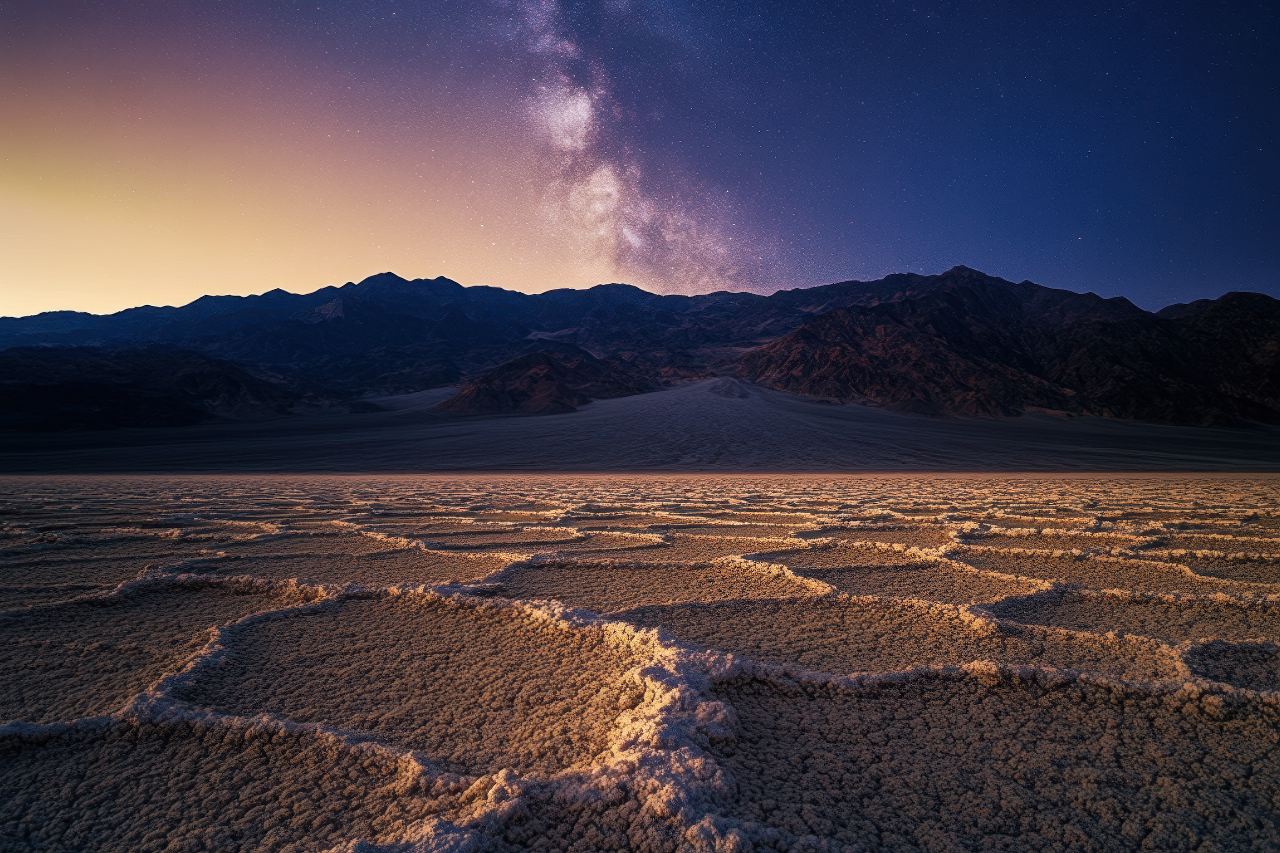
Badwater Basin

Badwater Basin

Best light · Before dawn

Set up your camera on the vast salt flats to capture hexagonal salt crust patterns illuminated by moonlight. This is one of the lowest points in North America, providing a unique perspective for a death valley stargazing tour tour and excellent horizon visibility.

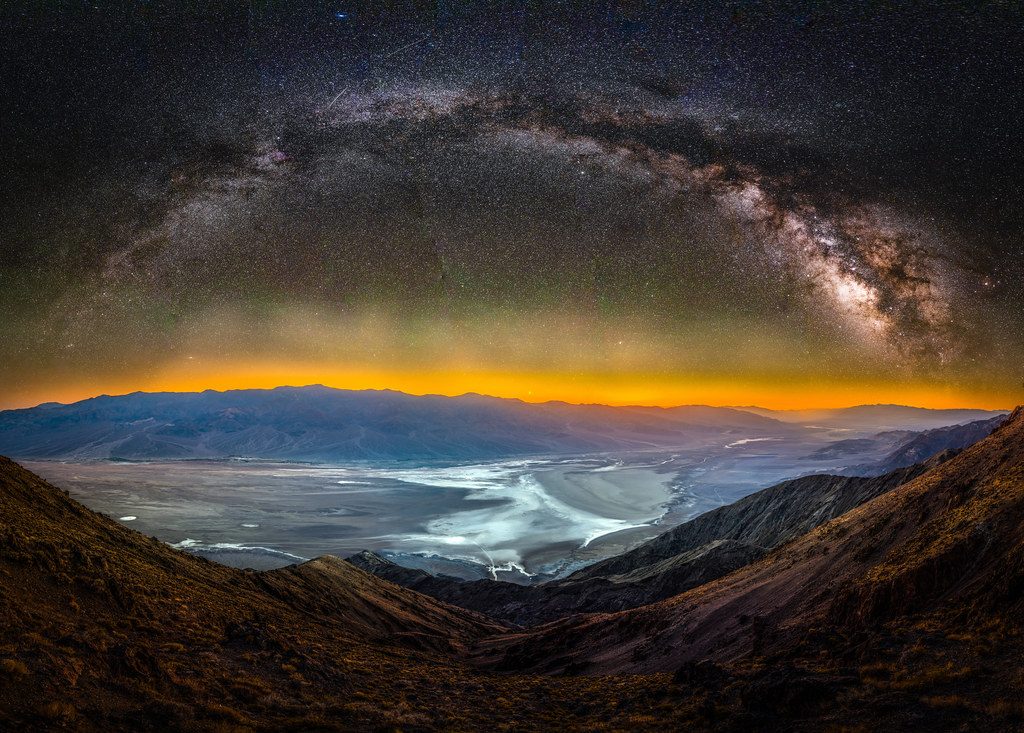
Dante's View

Dante's View

Best light · Astronomical twilight

This high-altitude vantage point offers a dramatic perspective looking down across the entire salt pan under a sea of stars. Ensure you have warm layers, as the elevation makes this an ideal spot for those booking death valley stargazing tour tickets.

Gallery

Moments from Death Valley Stargazing

FAQ

Death Valley Stargazing — frequently asked questions

Everything you need to know for your journey

Ready for Adventure?

Join thousands of happy travelers who have discovered this incredible experience

Book Your Experience Now