12 hr
Death Valley Sunset & Stargazing Tour from Las Vegas
- Expert local guide
- Small group
- Skip-the-line access
- Free cancellation
Death Valley Stargazing Tour From Las Vegas — Sunset & Night-Sky Departures
Daylight burns off the salt flats, then the Milky Way arrives.
Compare fares, pick the fit — all bookings are mobile-voucher and eligible for free cancellation where shown.
12 hr
12 hr
12 hr
Planning a death valley stargazing tour from las vegas requires choosing between comprehensive day-to-night excursions that navigate the park's expansive desert landscape. These guided outings provide a structured way to experience the night sky after a full day of sightseeing at iconic landmarks.
|
Top pick Small-Group Day & Night Tour Comprehensive Full-Day Experience |
Private Stargazing Excursion Customized Night-Sky Focus | |
|---|---|---|
| Duration | 11–12 hours | 4–6 hours |
| Included Transport | Las Vegas hotel pickup included | Available upon request |
| Park Entrance Fee | Included in package | Usually separate |
| Best for | first-timers | photography enthusiasts |
| See tickets & prices |
Verdict: Most visitors benefit from the full-day death valley stargazing tour from las vegas tickets to maximize their time across major park sights before the evening sky transitions.
Worth it for dark-sky seekers, not casual sightseers
A death valley stargazing tour from las vegas costs you the better part of a day and roughly two to two and a half hours of highway in each direction. What you get back is genuinely scarce: Death Valley holds Gold Tier International Dark Sky Park status, with light pollution low enough that the Milky Way core, zodiacal light and meteor trails read clearly to the naked eye. The park's own $30 per private vehicle entry fee, valid seven days, shows what a self-drive costs — the value of a guided Death Valley trip from Las Vegas is that someone else drives the desert road home after midnight while you watch the sky. Options here pair sunset over the salt flats with astronomy, and one adds a Sphere view on return. That pays off for astrophotographers, first-time desert visitors and anyone from a light-polluted city. Skip it if you want a relaxed evening on the Strip.
Bottom line: If dark skies are the point, death valley stargazing tour from las vegas tickets earn their travel time; if you only want scenery, the daytime Death Valley day trip serves you better.
They complement each other; most visitors who do both call the Gold Tier dark sky of Death Valley the more immersive celestial experience.
|
Top pick Death Valley Tour |
Valley of Fire Stargazing | |
|---|---|---|
| Distance from Las Vegas | ~140 miles (2.5 hours) | ~55 miles (55 minutes) |
| Total day length | 11–13 hours | 7 hours |
| Dark Sky Quality | Gold Tier (Bortle 1/2) | Moderate (Bortle 5ish) |
| Primary Landscape | Salt flats and vast basin | Red sandstone formations |
| Physical effort | Easy (short walks) | Easy–moderate (rock terrain) |
| Price range | 220 USD per person | 139 USD per person |
| See tickets & prices |
Verdict: For travelers prioritizing the deepest, most pristine cosmic views, a death valley stargazing tour from las vegas remains the superior choice, while the Valley of Fire offers a convenient, low-effort alternative for those seeking dramatic red-rock horizons nearby.
Hand-picked experiences loved by thousands of travelers
10 hours
Free Cancellation
Escape the city for a full-day desert adventure through America's hottest national park
1 day
Free Cancellation
Venture into America's hottest desert for sunset vistas, dark-sky stargazing, and a photo stop at Las Vegas's glowing Sphere
12 hours
Free Cancellation
Explore America's lowest point, witness a golden-hour spectacle, and gaze at the Milky Way on this full-day desert escape
11 hours
Free Cancellation
Journey from Vegas to North America's lowest point, explore golden badlands and salt flats, then witness desert sunset and Milky Way views
5 hours
Free Cancellation
Journey beyond the city to witness celestial wonders through a telescope under pristine desert skies
12 hours
Free Cancellation
Journey to America's hottest national park for desert landscapes and world-class night sky viewing
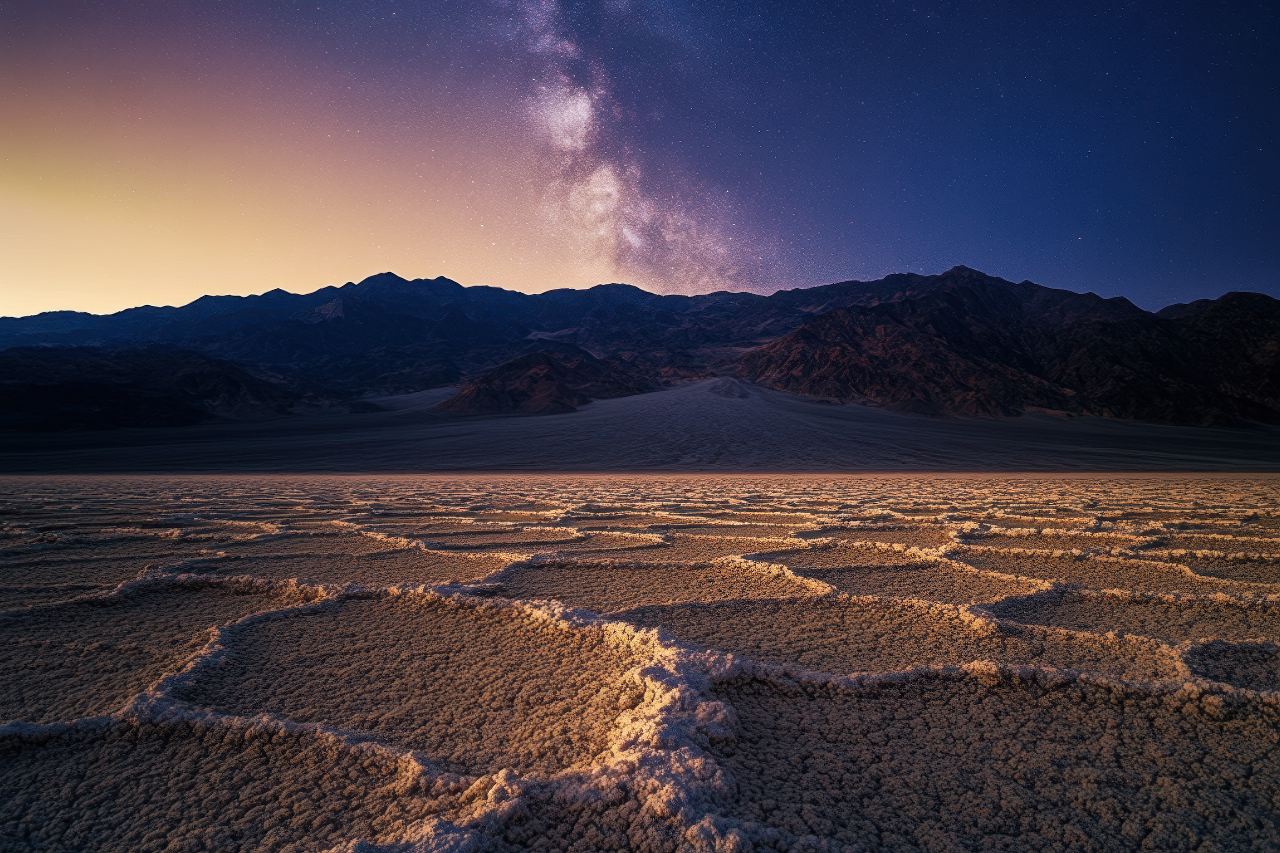
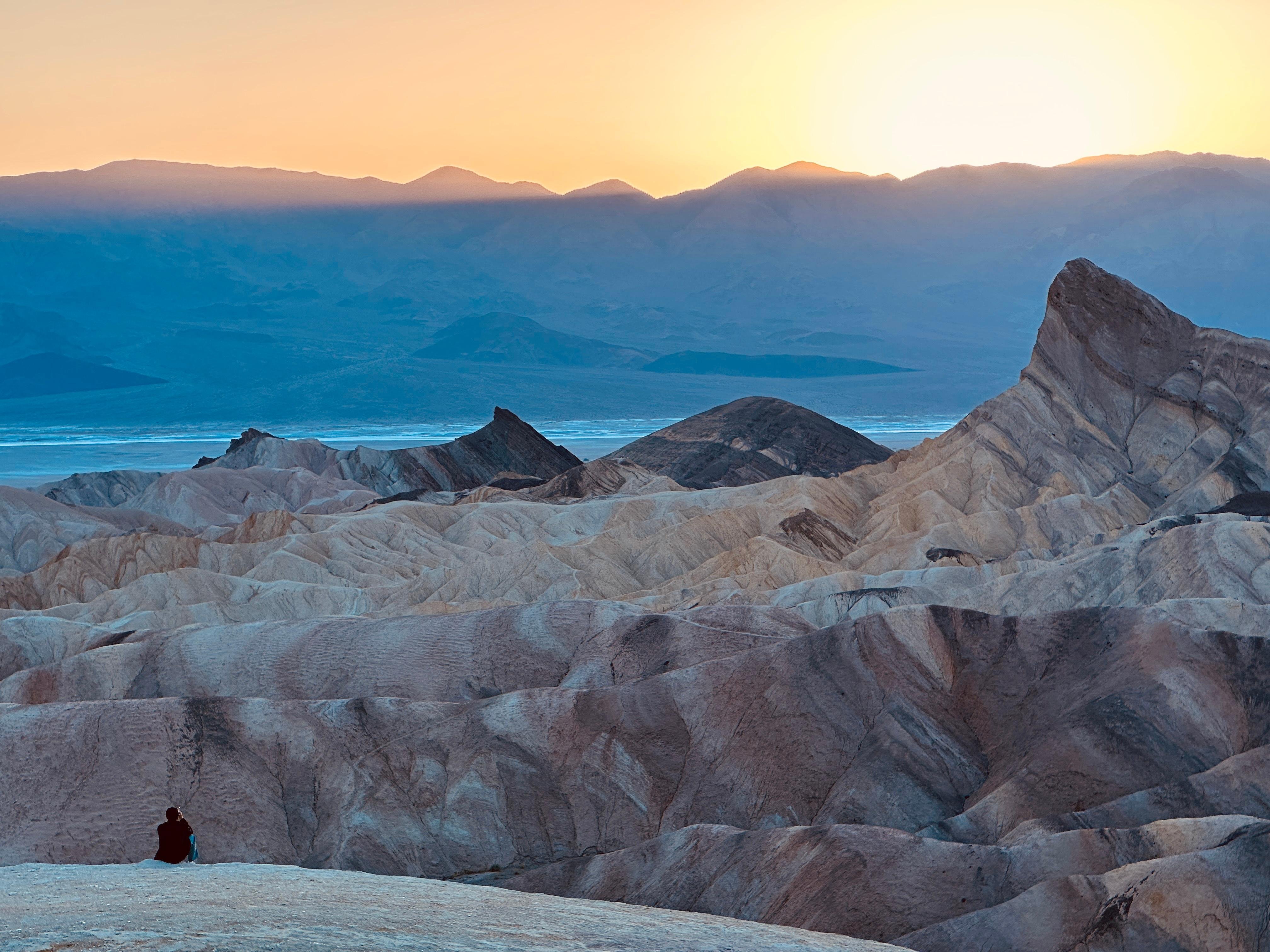
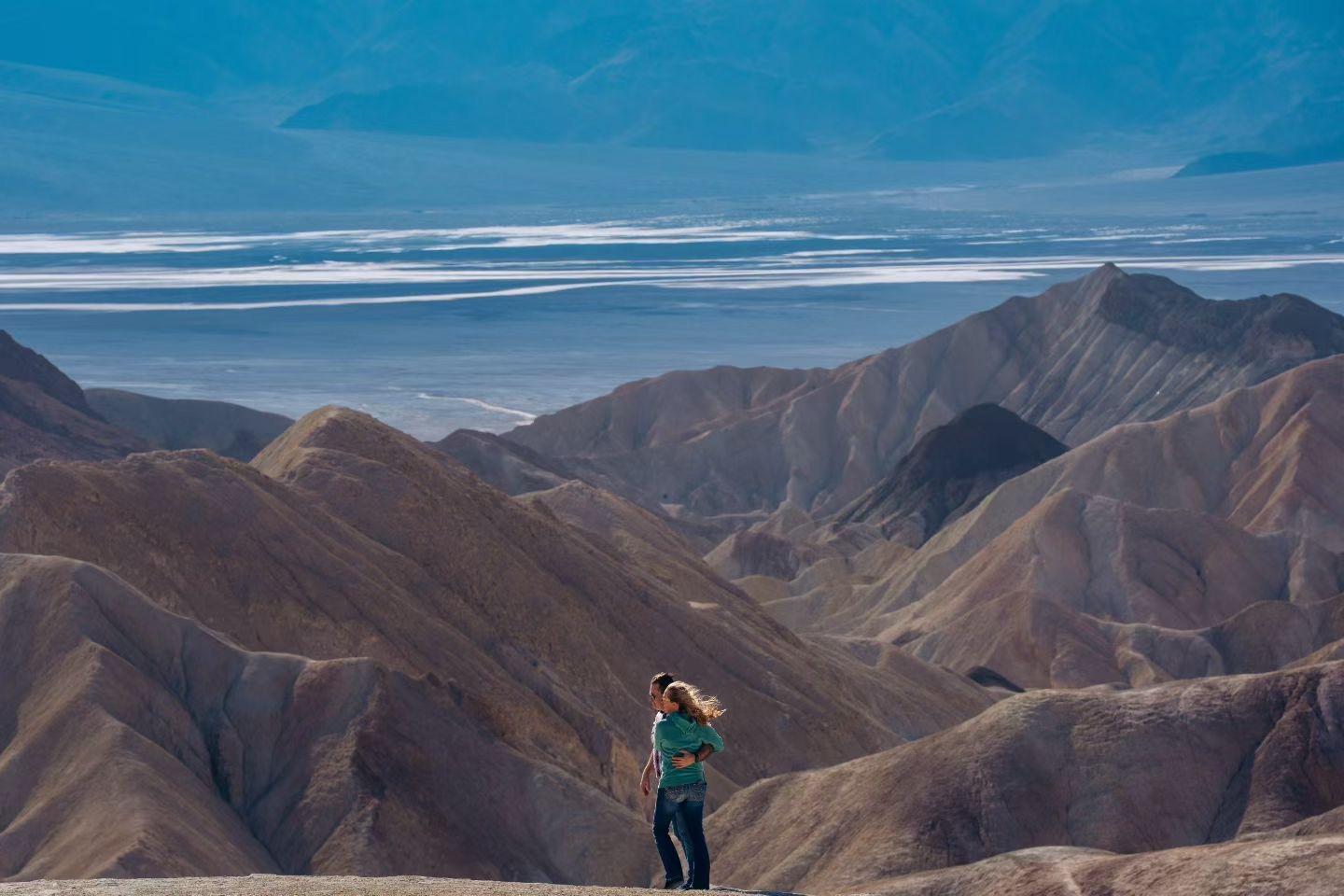
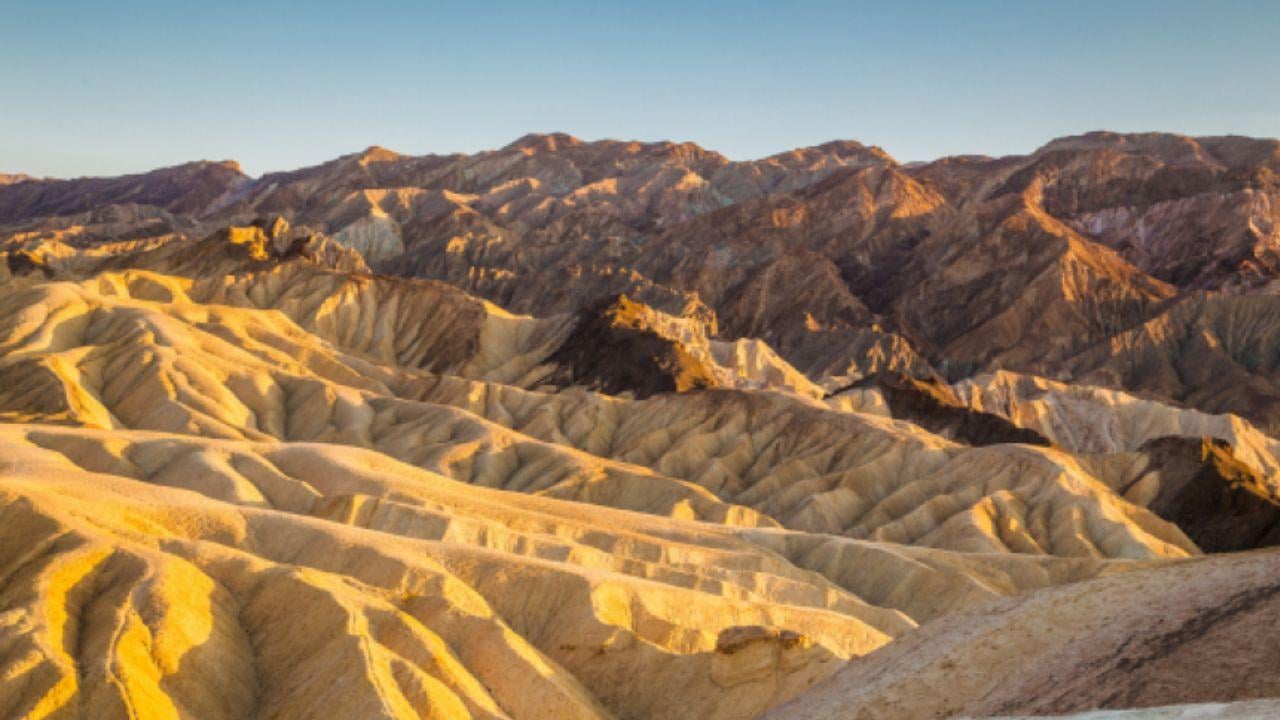
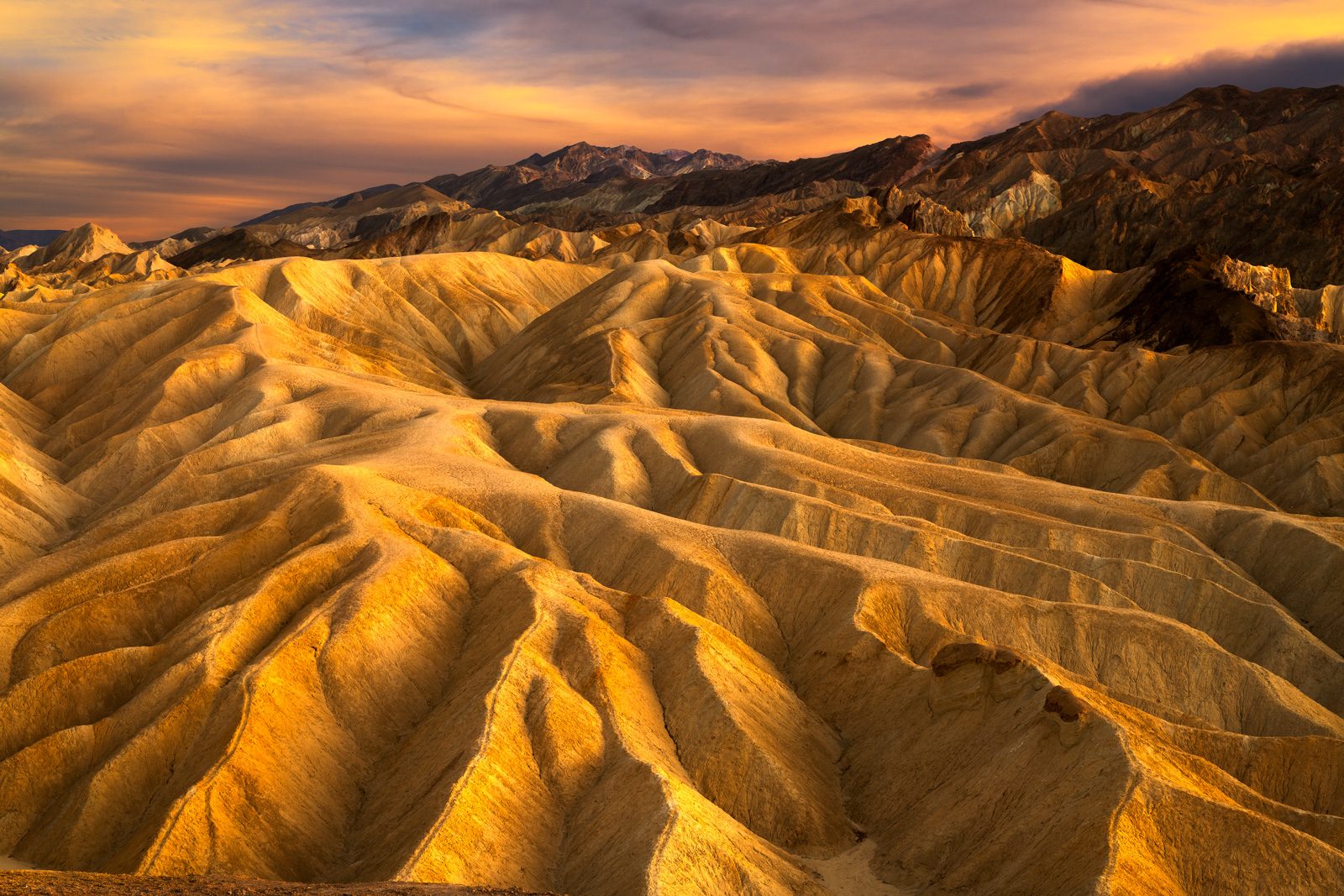
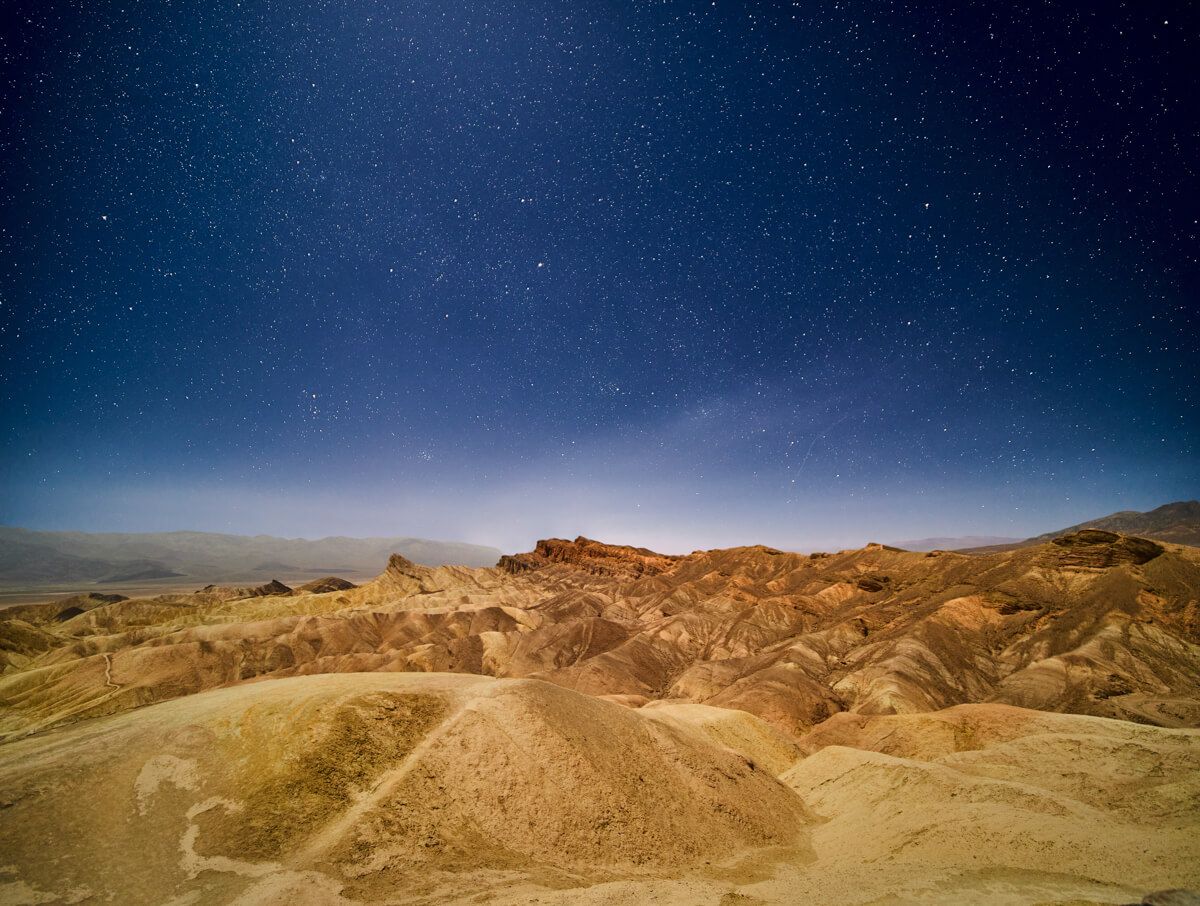
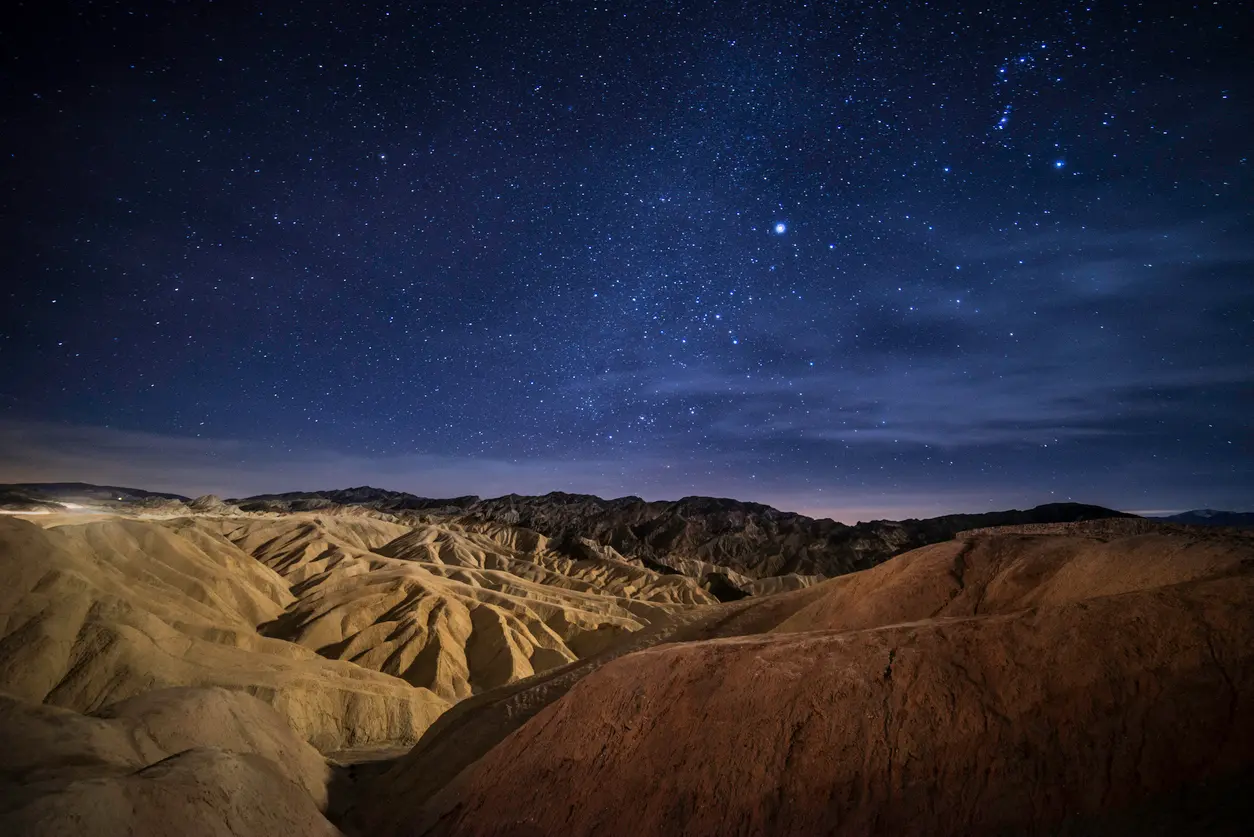
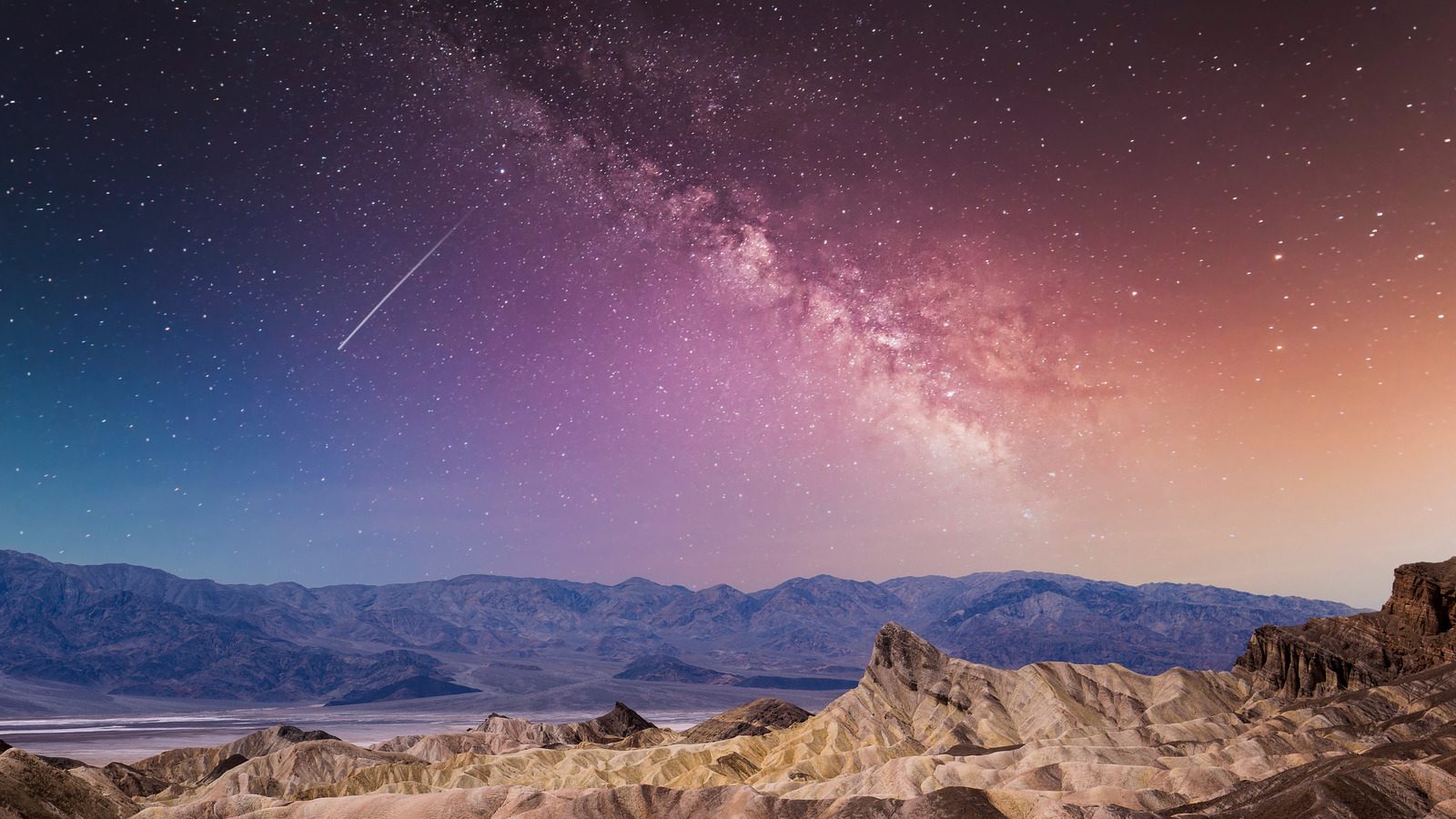
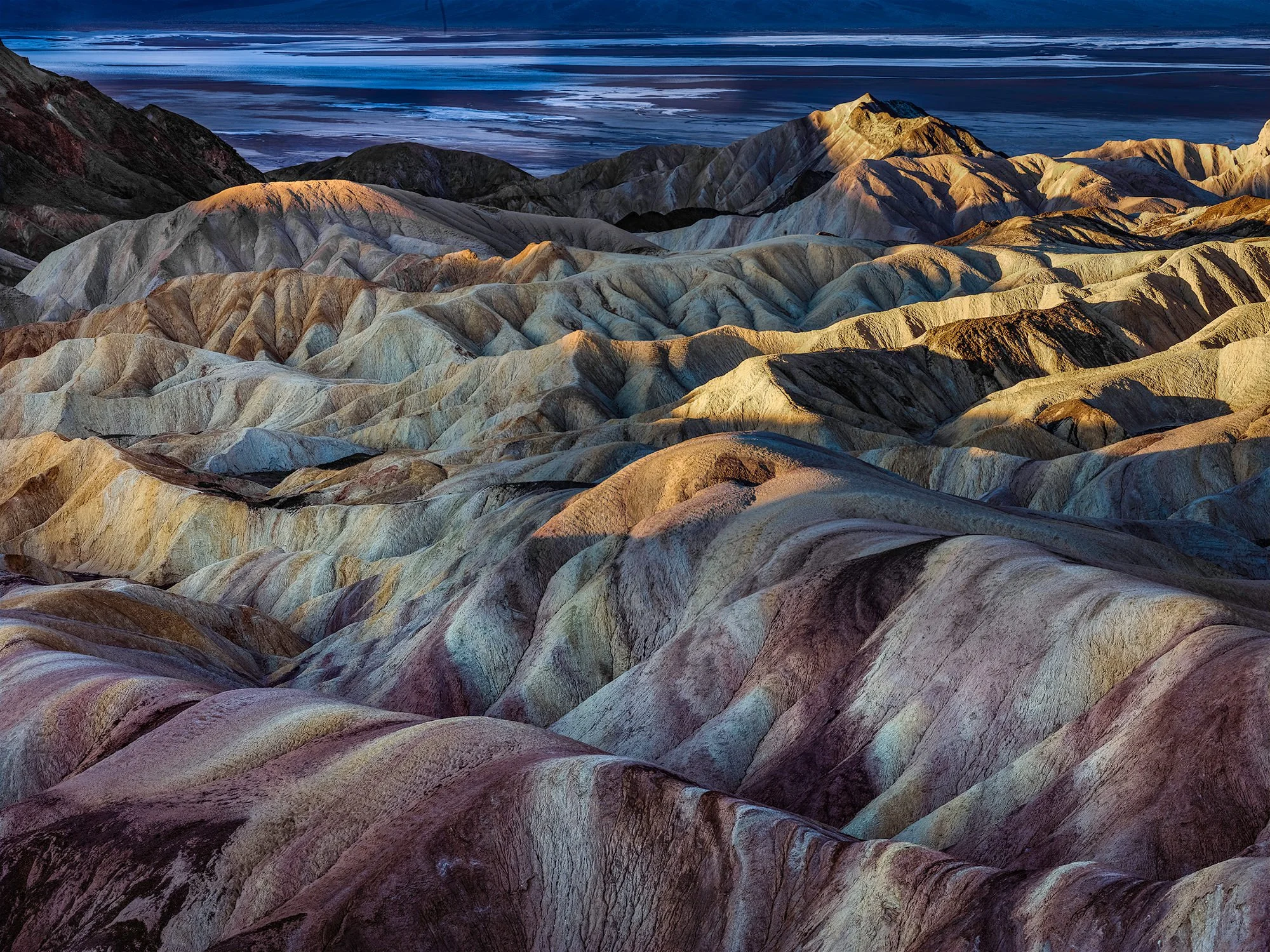
Famous for its golden, rippling badlands that glow during sunset.
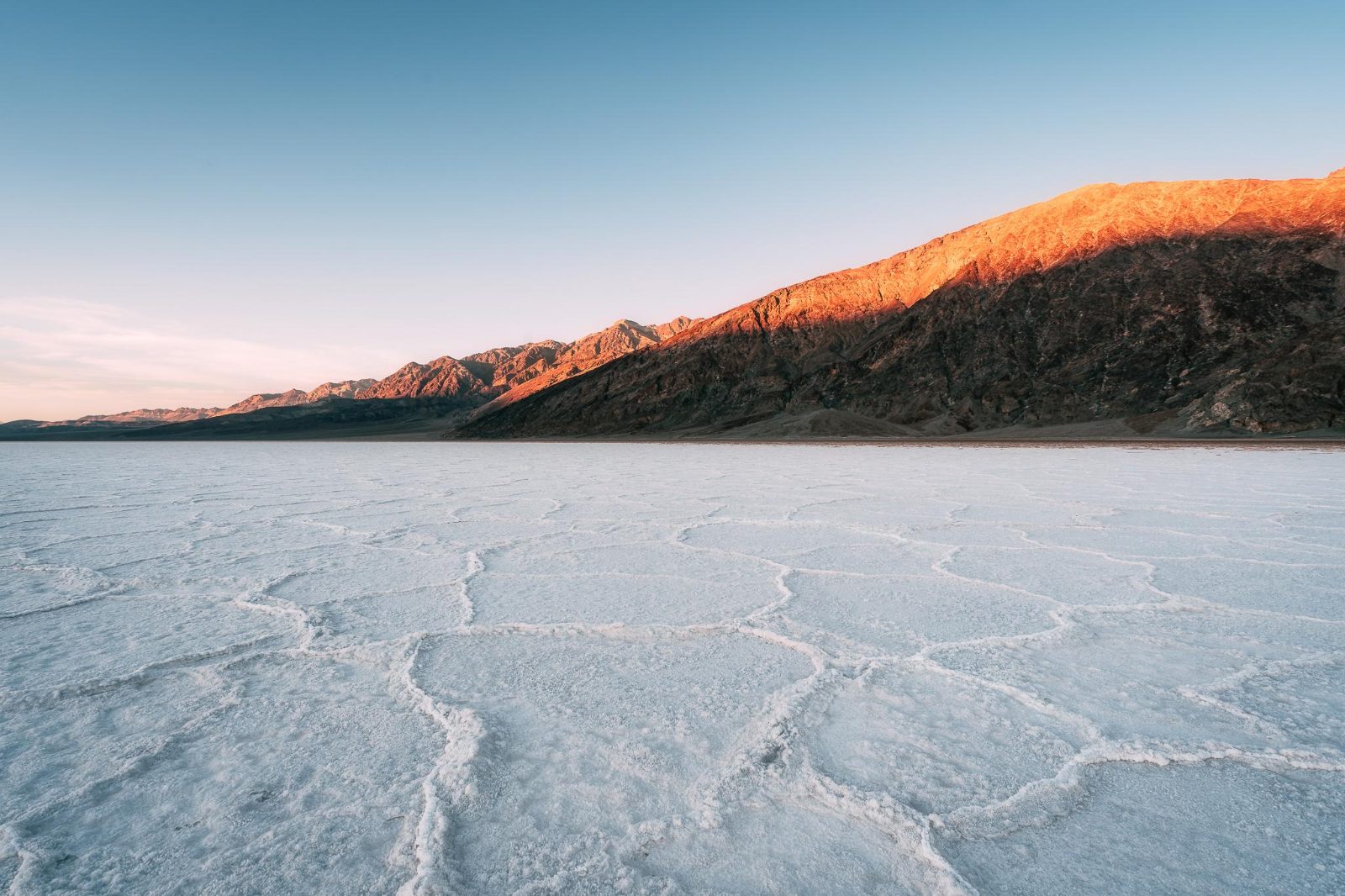
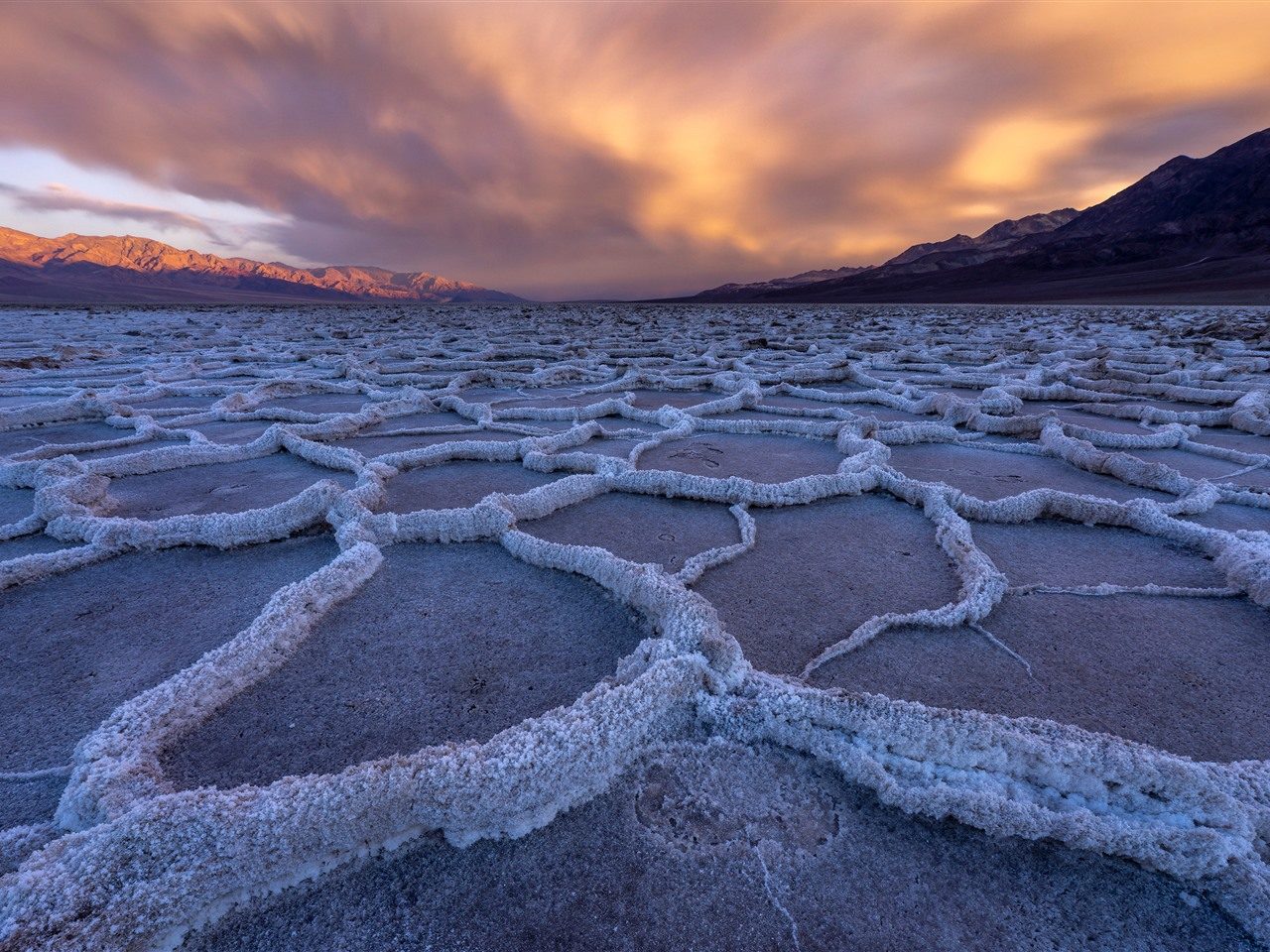
The lowest point in North America, featuring hexagonal salt formations.
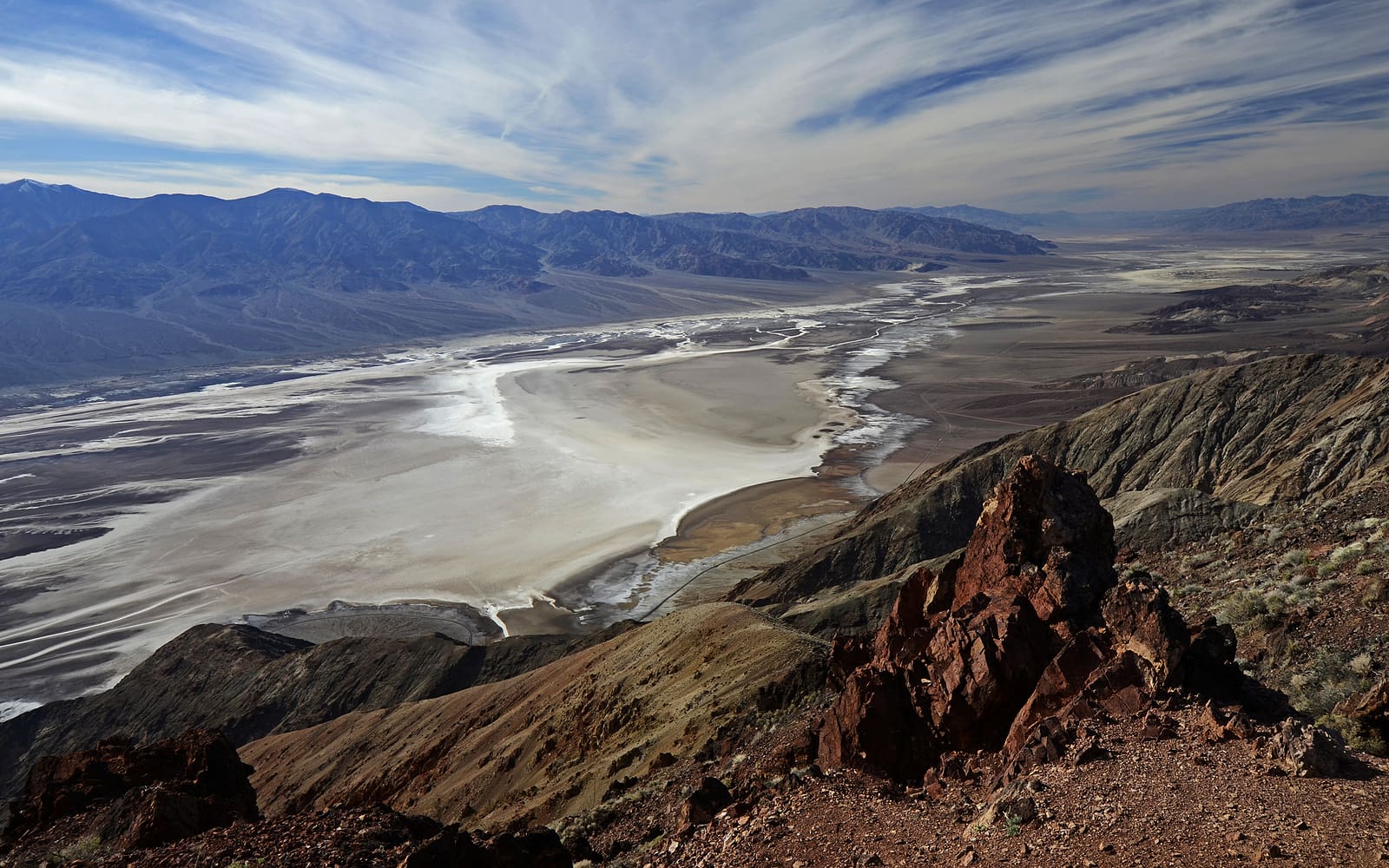
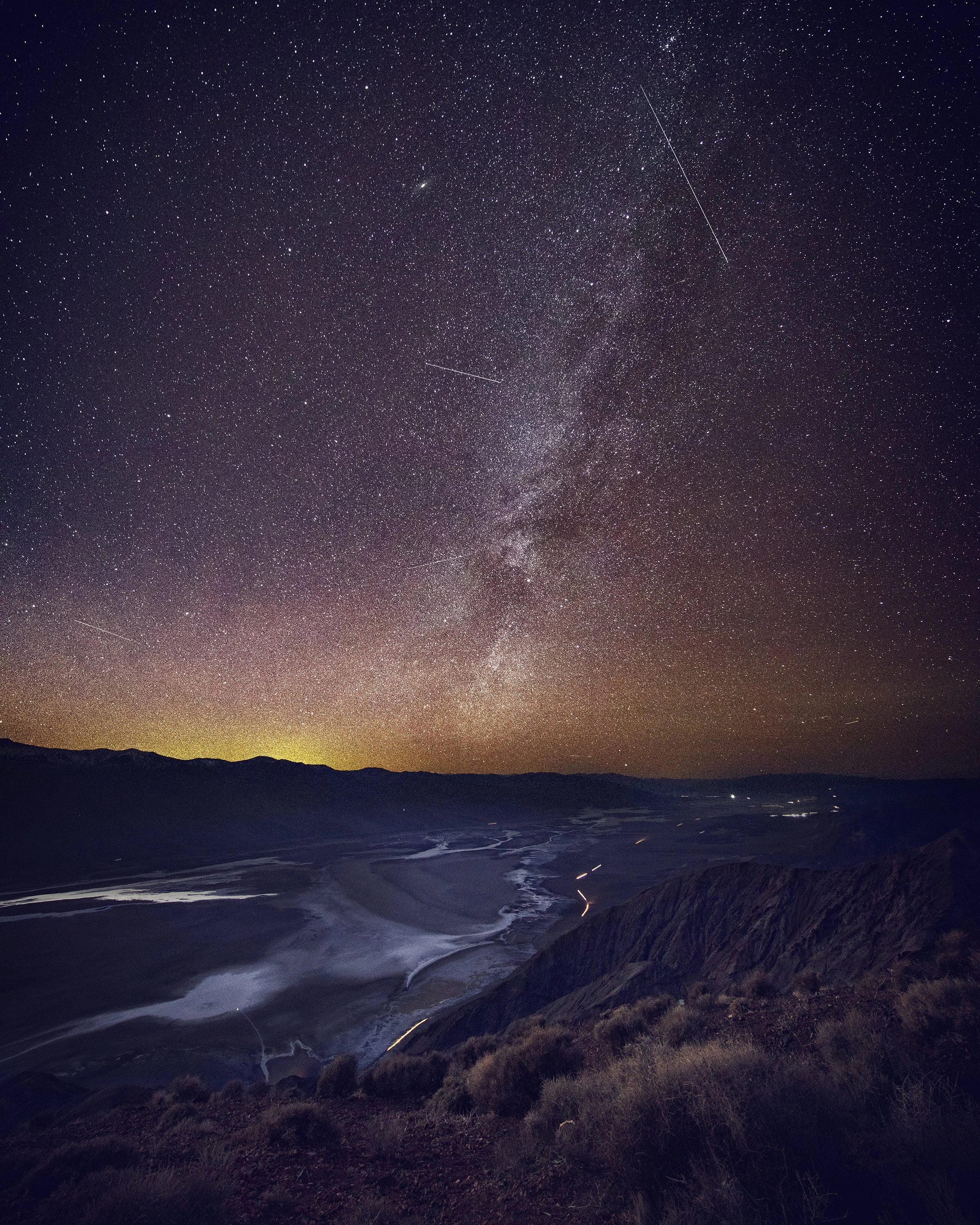
Offers a panoramic perspective of the valley from 5,475 feet.
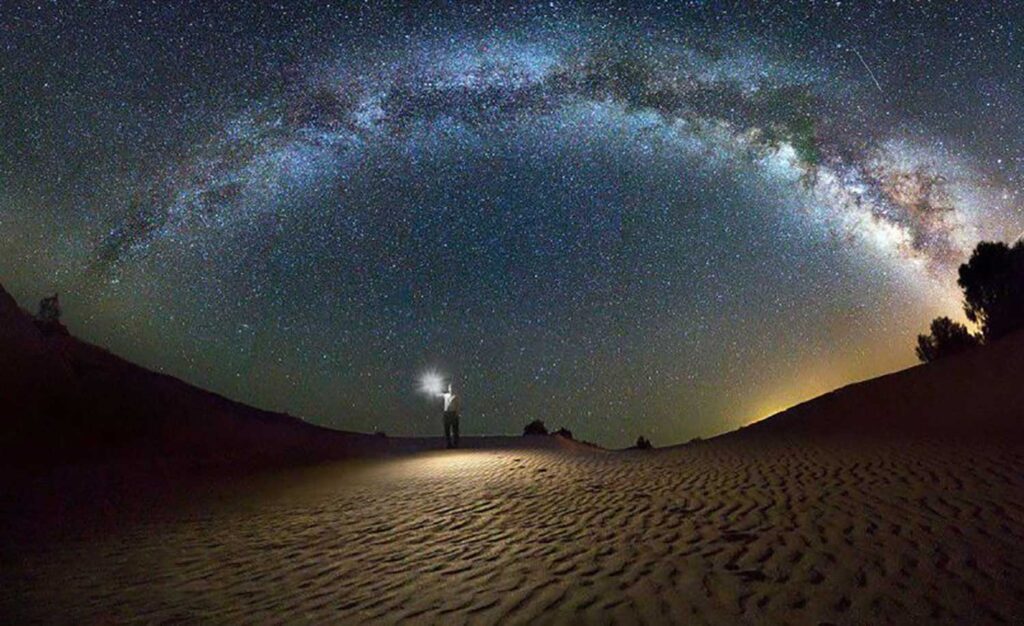
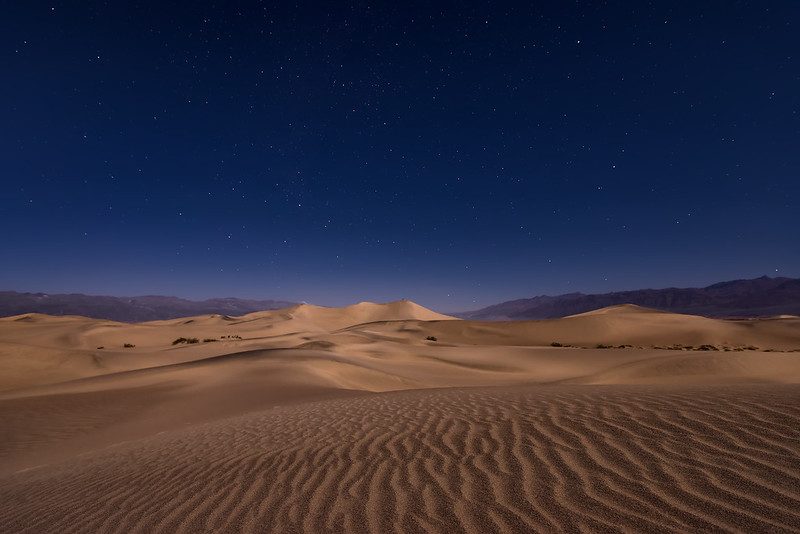
Massive sand dunes that provide a stark, beautiful silhouette against the night sky.
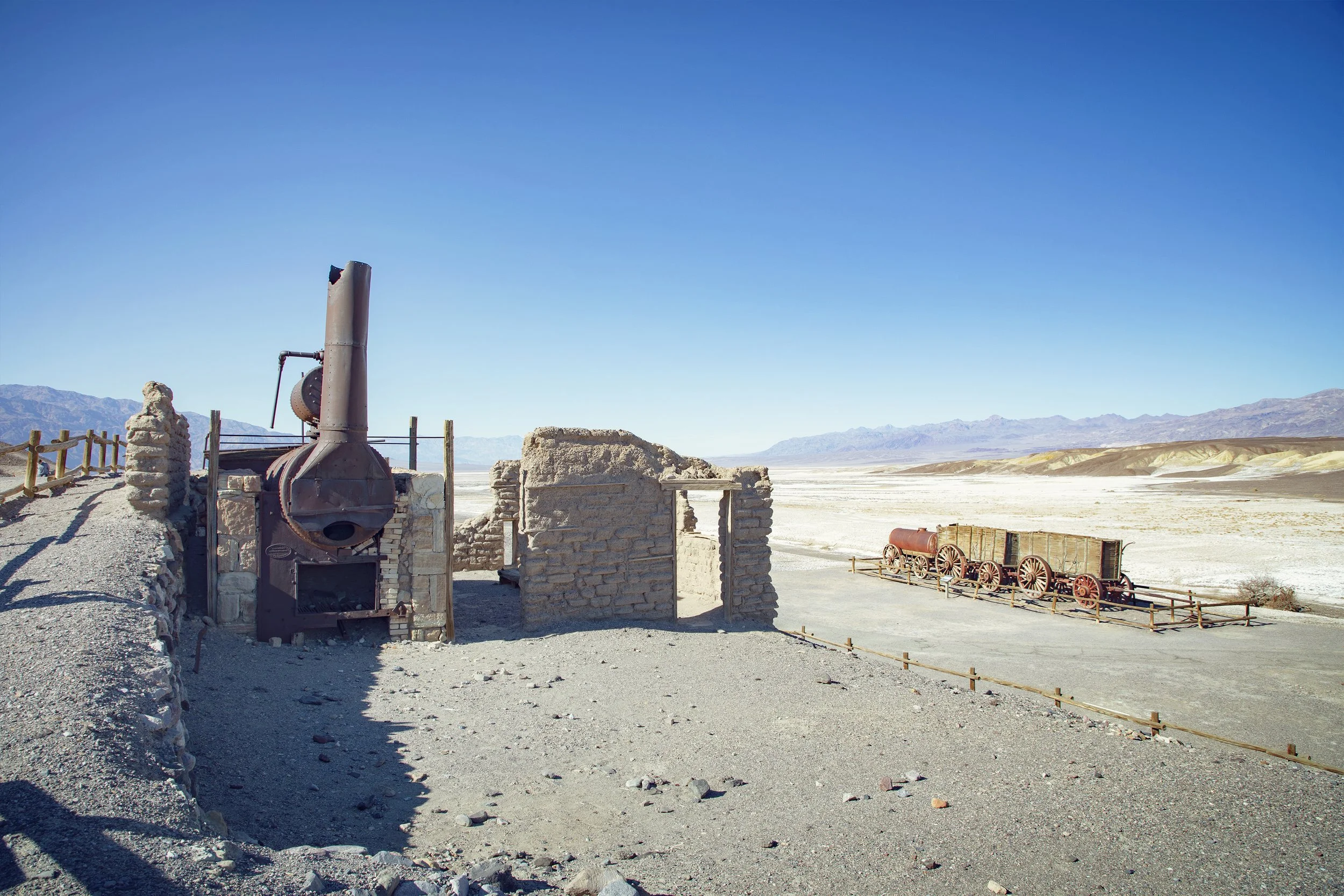
Historical site featuring ruins of 19th-century mining operations.
You board at your Las Vegas hotel in the afternoon, and the Strip thins into creosote scrub within twenty minutes. The coach runs west through Pahrump, then drops through Amargosa Valley toward the park boundary on California 190.
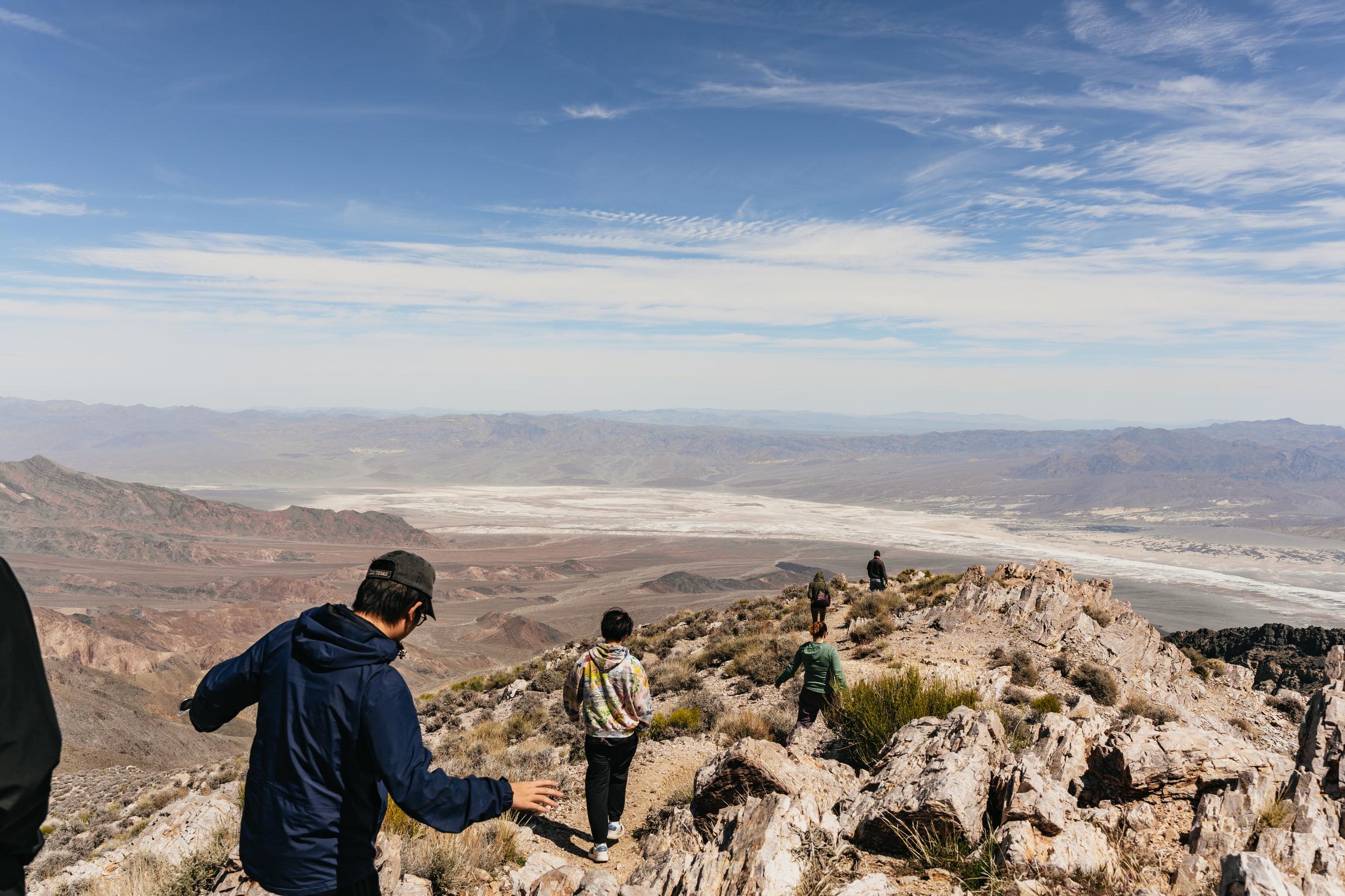
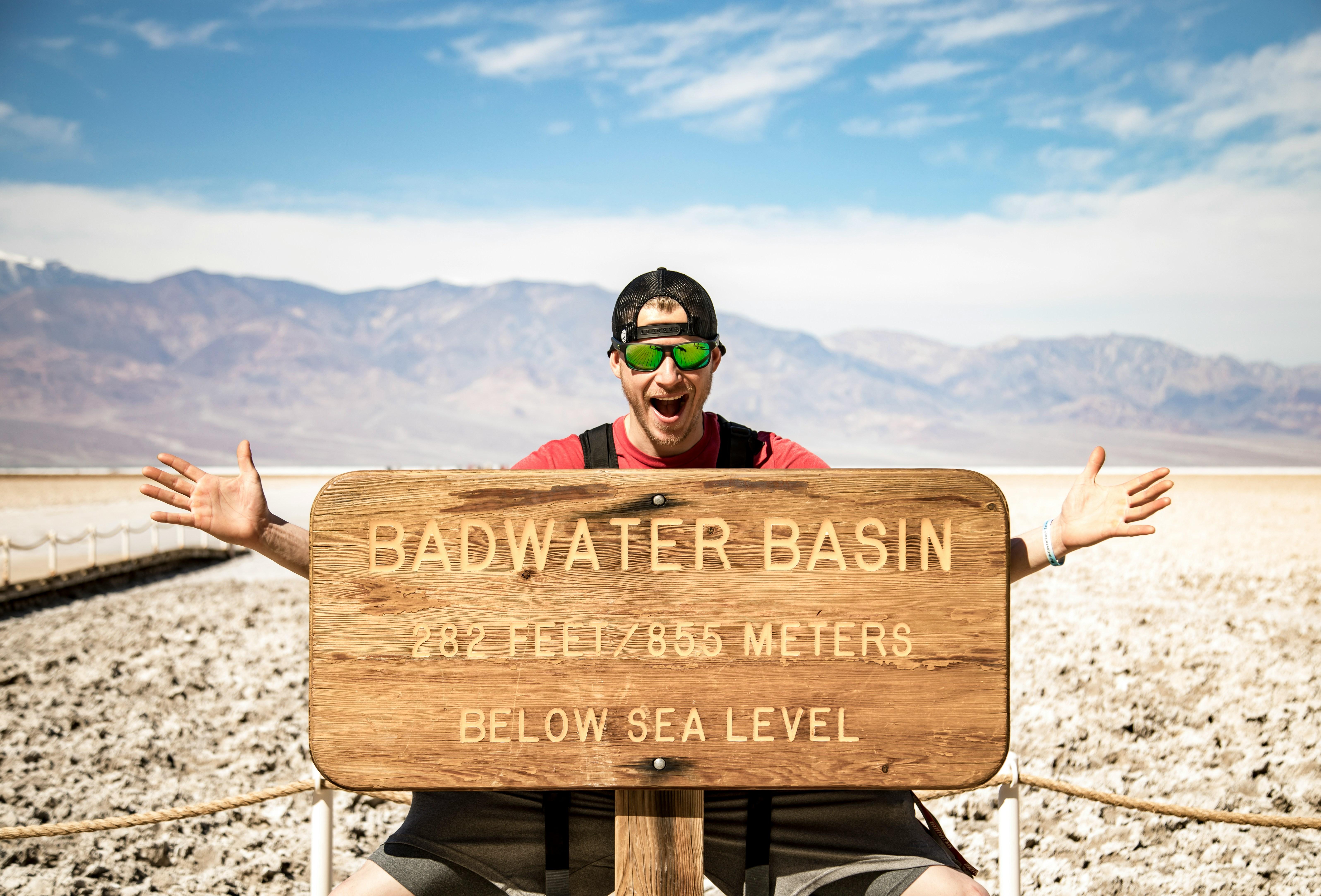
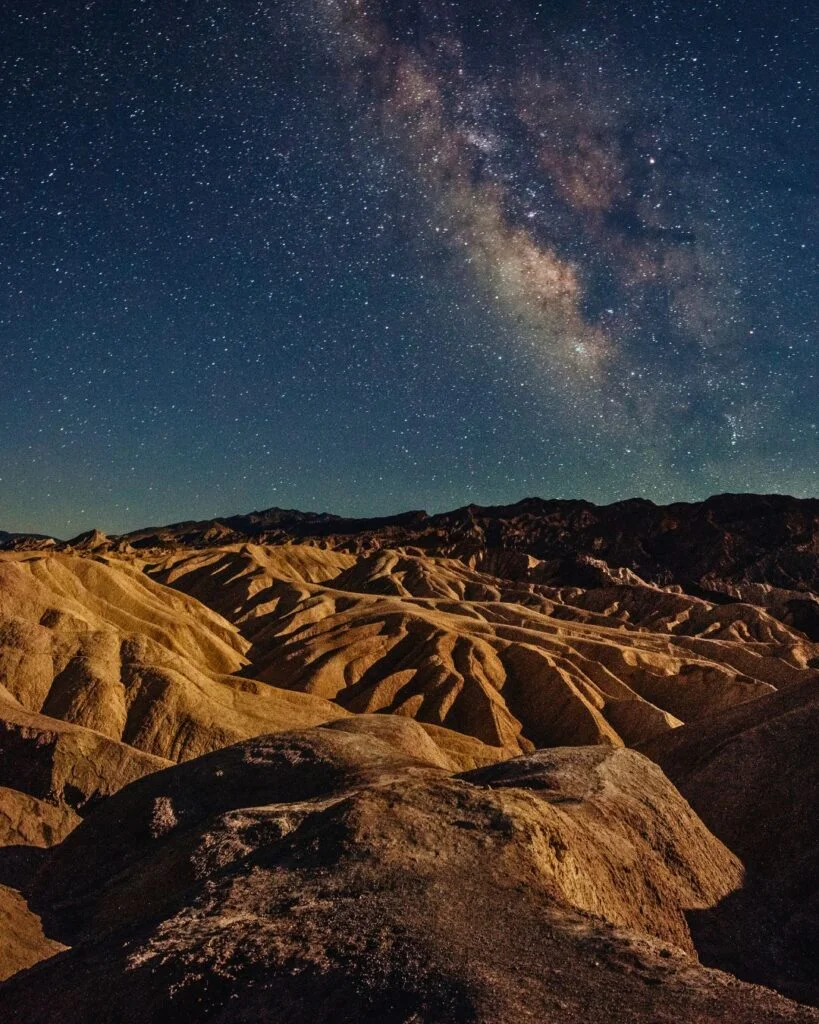
You stop first while the light still holds. At Zabriskie Point you walk the short paved rise and look down on golden badlands folded like fabric, Manly Beacon jutting from the middle distance. Later, at Badwater Basin, you step onto salt polygons 86 metres below sea level and find the small white sign on the cliff face marking where the ocean surface would sit. The sun goes behind the Panamints and the temperature drops fast — often 15°C or more.
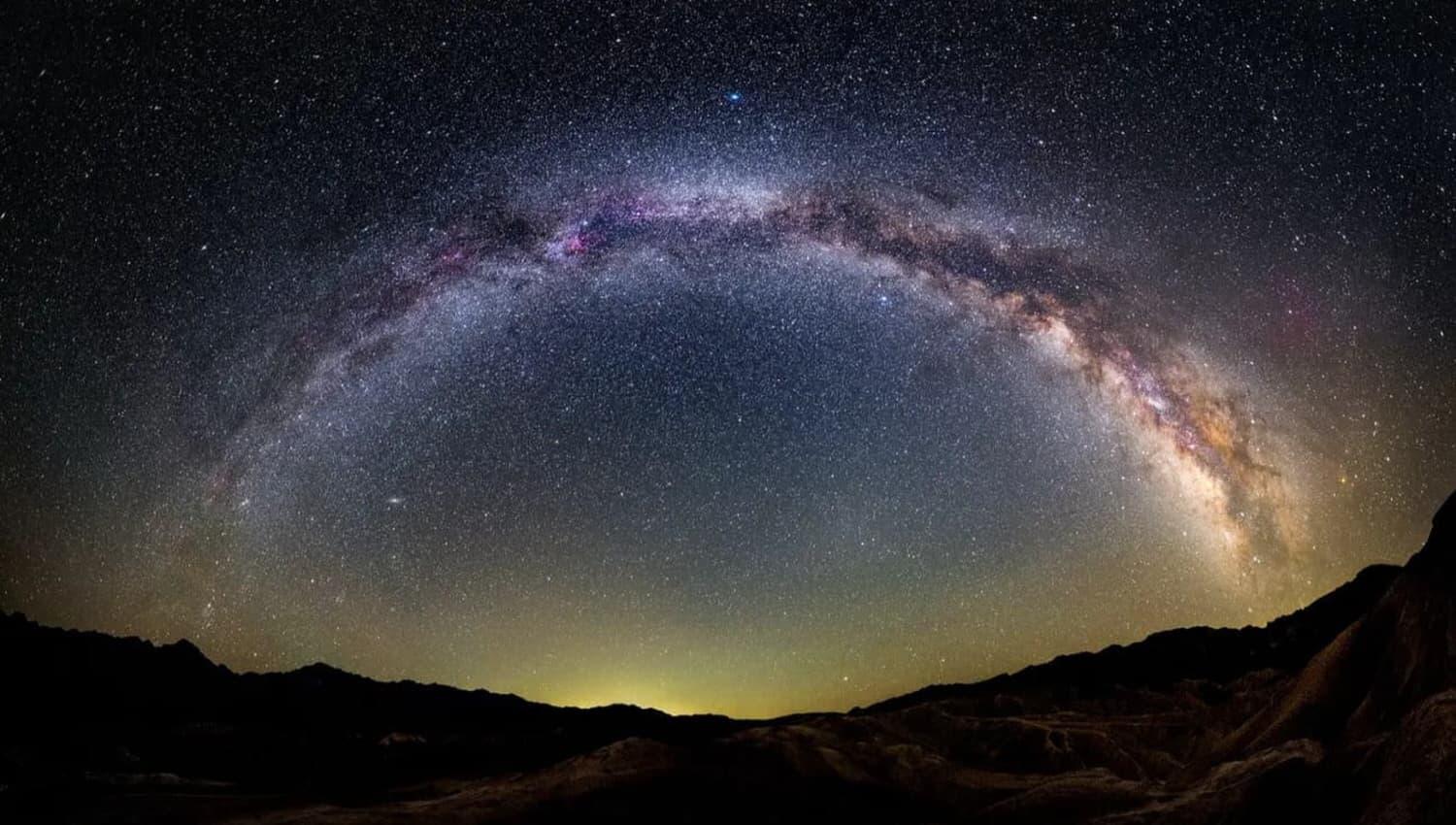
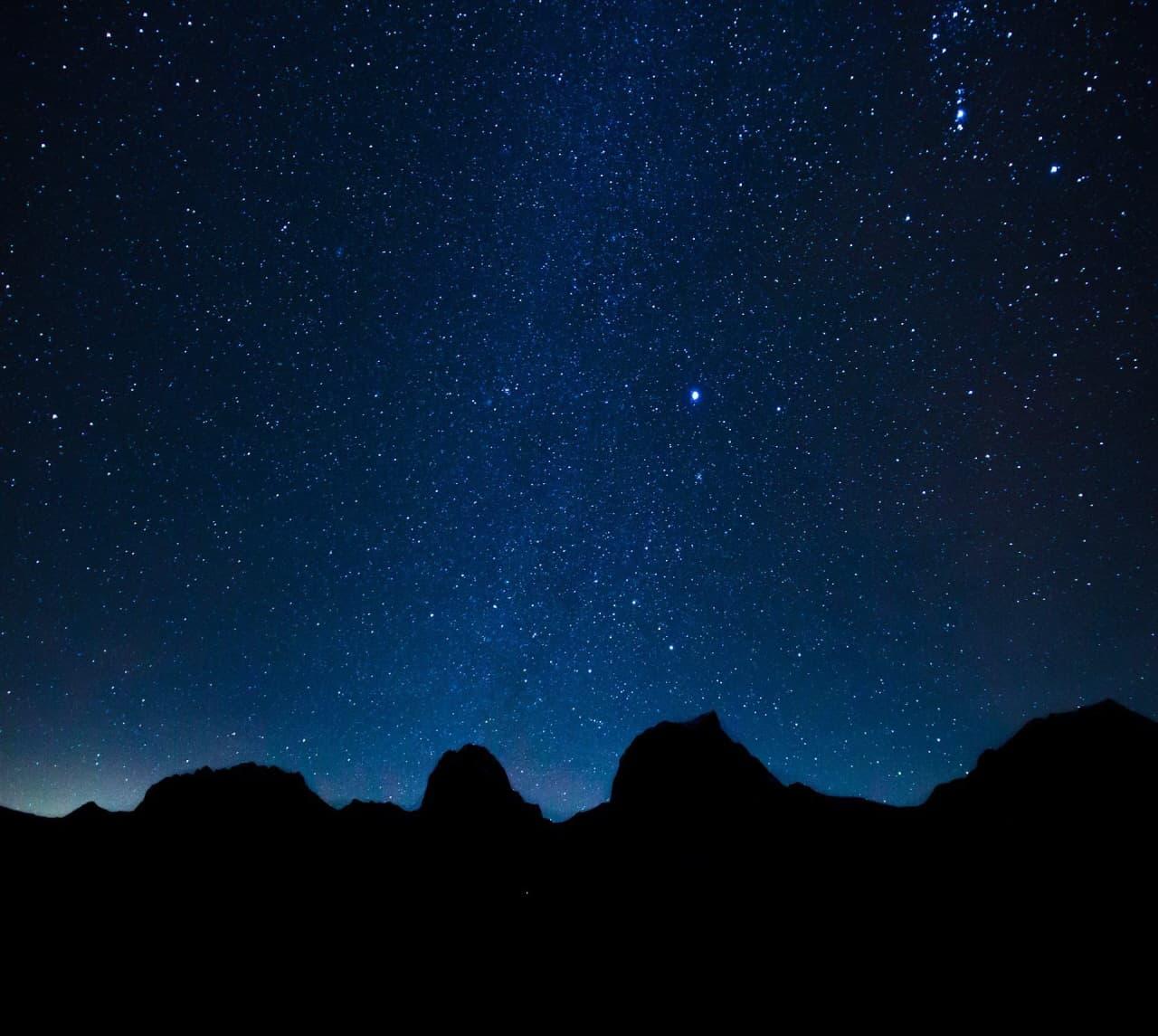
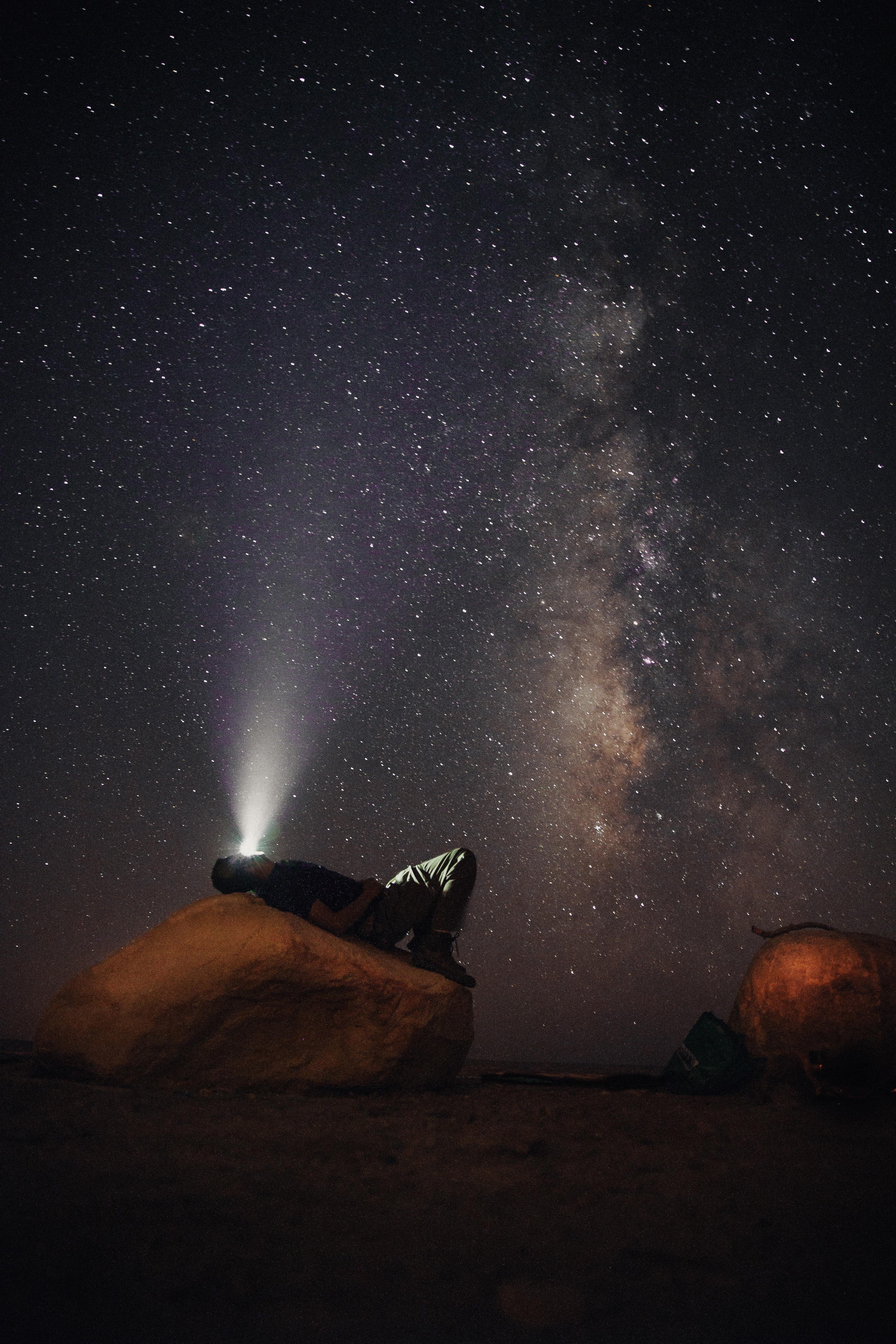
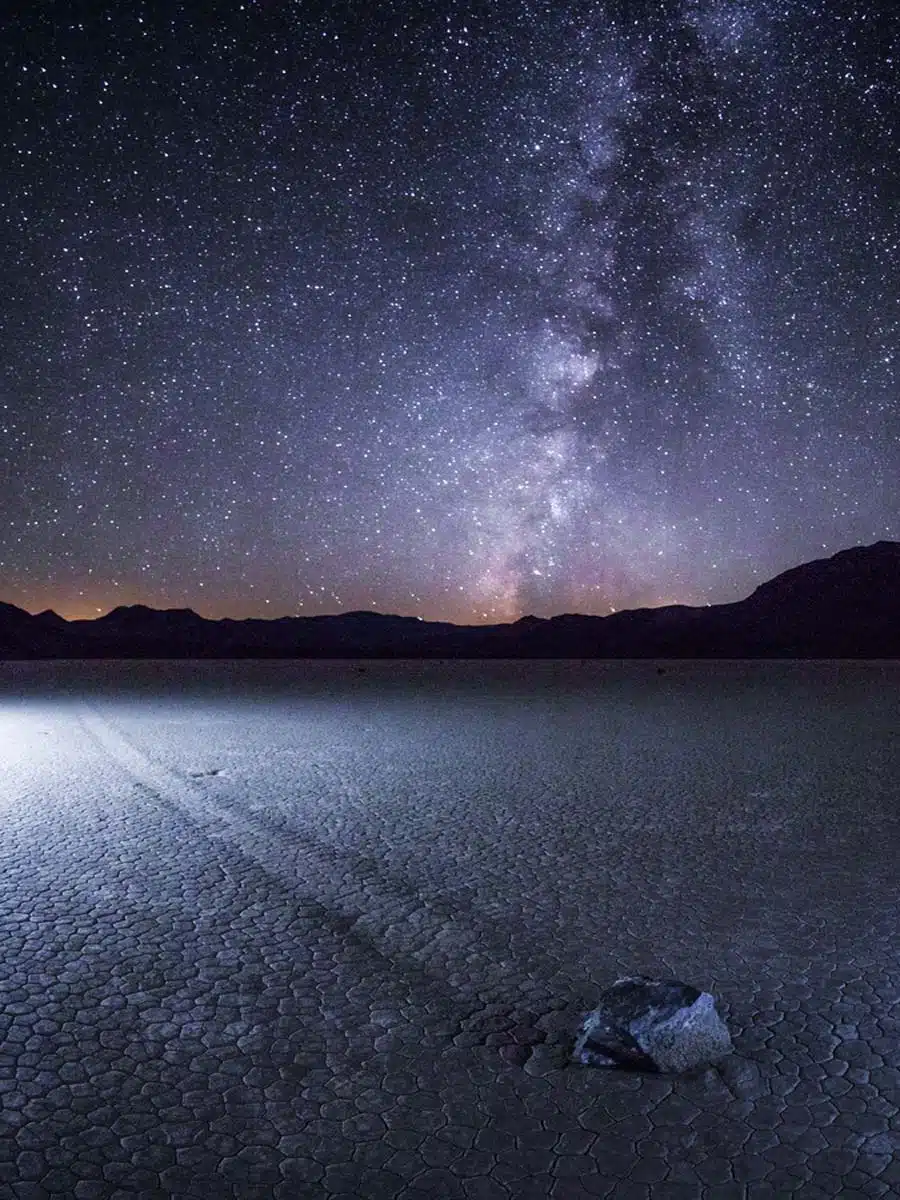
Then the guide kills the headlights. Your eyes take about twenty minutes to fully dark-adapt, and in that time the sky fills in: Sagittarius low and dense, Saturn steady, the galactic core running from horizon to horizon in August. A green laser traces constellations. You queue at the telescope for Saturn's rings, then a globular cluster, then Andromeda — light that left its galaxy 2.5 million years ago. A death valley stargazing tour from las vegas ends the way it began, on the coach, watching the Strip's glow reassemble on the eastern horizon.
All the details about your upcoming adventure in one place
Death Valley records the hottest air temperature ever measured on Earth: 56.7°C, logged at Furnace Creek on 10 July 1913. The same basin holds one of the darkest measurable night skies in the continental United States.
That contradiction is the park's defining fact. The valley floor at Badwater Basin sits 86 metres below sea level, walled by the Panamint Range rising to 3,368 metres at Telescope Peak. Those walls block light from Las Vegas, 190 kilometres east, and from Ridgecrest to the southwest. The International Dark-Sky Association certified the park as a Gold Tier International Dark Sky Park in 2013 — its highest classification, and at 13,650 square kilometres, among the largest protected dark-sky areas on the planet. Roughly 91 percent of that acreage is designated wilderness, which means no fixed lighting, no development, no glow.
Human presence here is old and continuous. The Timbisha Shoshone have occupied the valley for more than a millennium and hold a homeland trust within park boundaries, established in 2000. Borax miners worked the Harmony works from 1883, hauling ore out on twenty-mule teams. Congress designated the area a national monument in 1933; the Desert Protection Act elevated it to national park status in 1994, making it the largest national park outside Alaska. Scotty's Castle, a 1920s Spanish Colonial Revival villa in Grapevine Canyon, remains closed following flood damage — a reminder that this desert floods as readily as it bakes.
A death valley stargazing tour from las vegas exists because the geography cooperates. Coach operators leave the Strip in late afternoon, cross Amargosa Valley, and reach viewing ground as the sun drops behind the Panamints. Guides on a las vegas death valley night sky tour typically set up telescopes near Zabriskie Point, Dante's View or the Mesquite Flat Sand Dunes, where the horizon is unbroken and the Milky Way's galactic core stands nearly overhead through late summer.
Astronomers reference the Bortle scale, a nine-point measure of night-sky brightness. Much of Death Valley registers Bortle Class 1 or 2 — conditions under which Venus casts a visible shadow, zodiacal light stretches along the ecliptic, and the naked eye resolves thousands of stars. Fewer than one percent of Americans live under skies that dark. Death valley stargazing tour from las vegas tours are, functionally, transport to a vanishing resource: the sky as it looked before electric light.

Fewer than one percent of Americans live under skies this dark.
Wear loose, light-colored clothing for daytime heat and bring layers for chilly desert nights on a death valley stargazing tour from las vegas.
Small daypacks are recommended for all passengers on a death valley stargazing tour from las vegas, as vehicle storage is limited.
Tripods are permitted at most stargazing locations within Death Valley National Park, making them ideal for long-exposure night photography.
Younger travelers should be prepared for late-night schedules; ensure children remain within designated viewing areas for safety.
While most viewing areas have flat terrain, not all desert trails are wheelchair accessible during a death valley stargazing tour from las vegas.
Bring sufficient water and snacks, as services are extremely limited within the park boundaries during your death valley stargazing tour from las vegas.
Opening Hours
00:00–23:59
Address
California 190, Death Valley, CA 92328
Accessibility
Main attractions feature accessible boardwalks
Best Arrival
00:00–23:59
Security
No lockers available on-site
Location
Death Valley National Park
Car · Tour Vehicle · Direct hotel-to-park transport provided by operators.
Follow California 190 through the park for primary access.
Full refunds are typically available for any death valley stargazing tour from las vegas tour if cancelled at least 24 hours in advance. Please refer to your specific booking confirmation for exact terms regarding the 30 USD entrance fee.
Recommended time
6-8 hours
A typical death valley stargazing tour from las vegas requires several hours of transit to navigate the vast desert landscape. Arriving well before astronomical twilight allows guests to adjust to the environment while the park experiences lower foot traffic during the afternoon heat. Most death valley stargazing tour from las vegas tours prioritize clear sky conditions, making late-night sessions the primary focus for observation. Securing death valley stargazing tour from las vegas tickets early ensures a seamless transition from the heat of the day to the cooling desert night.
Crowd levels through the day
Weather · crowds · average price — dots go green to amber to red as each metric rises.
Mild temperatures make for comfortable night viewing and desert hiking.
Use red-light filters on flashlights to preserve night vision for other guests.
The story begins with the Timbisha Shoshone, whose ancestors have read these skies for over a thousand years. Their descendants still hold land within the park boundary, restored by the Timbisha Shoshone Homeland Act of 2000. Winter camps at Furnace Creek, summer retreats to the Panamint highlands — the calendar was written in stars and seasons. Any death valley stargazing tour from las vegas inherits that older habit of looking up. The modern chapter opens in 1849, when a party of emigrants seeking a shortcut to the California goldfields became trapped in the basin. One man died. The name stuck. Mining followed rather than settlement: William T. Coleman's Harmony Borax Works operated from 1883 to 1888, hauling borax out by twenty-mule teams on a 165-mile route to Mojave. The works failed, but the mule teams became advertising, and advertising became tourism. The Pacific Coast Borax Company opened the Furnace Creek Inn in 1927 to fill empty rail seats. Herbert Hoover proclaimed Death Valley a National Monument on February 11, 1933; the Civilian Conservation Corps then built roads, ranger stations and the campgrounds still in use. Congress elevated the monument to a national park under the California Desert Protection Act of 1994, adding 1.3 million acres. The darkness itself was formally protected in 2013, when the International Dark-Sky Association designated the park a Gold Tier International Dark Sky Park — the third and largest so named. Light pollution from Las Vegas, 120 miles east, remains visible as a dome on the horizon; that contrast is precisely why the Milky Way reads so cleanly overhead. Present-day death valley stargazing tour from las vegas tours follow the borax road corridor toward Badwater Basin and Zabriskie Point, arriving after sunset. A death valley stargazing tour from las vegas tour costs nothing extra at the gate beyond the park's 30 USD entrance fee per private vehicle, valid for 7 days; operator-run death valley stargazing tour from las vegas tickets typically fold that access in. The park itself never closes.
Timbisha Shoshone families wintered at Furnace Creek and moved to the Panamint Range in summer, navigating by seasonal star positions.
A lost emigrant party crossed the basin en route to the goldfields, giving the valley its enduring name.
William T. Coleman's Harmony Borax Works refined borax and shipped it out by twenty-mule team over a 165-mile haul road.
The Pacific Coast Borax Company opened the Furnace Creek Inn, converting a mining railway into a tourist route.
President Herbert Hoover proclaimed Death Valley a National Monument on February 11, and the Civilian Conservation Corps began building its roads and campgrounds.
The California Desert Protection Act redesignated the monument as a national park and expanded it by roughly 1.3 million acres.
The Timbisha Shoshone Homeland Act returned tribal trust land within and near the park boundary.
The International Dark-Sky Association certified the park as a Gold Tier International Dark Sky Park, then the largest in the world.
Stand on the paved overlook facing east to frame the undulating golden badlands against the Milky Way. This location is a staple for a death valley stargazing tour from las vegas and offers expansive horizons.
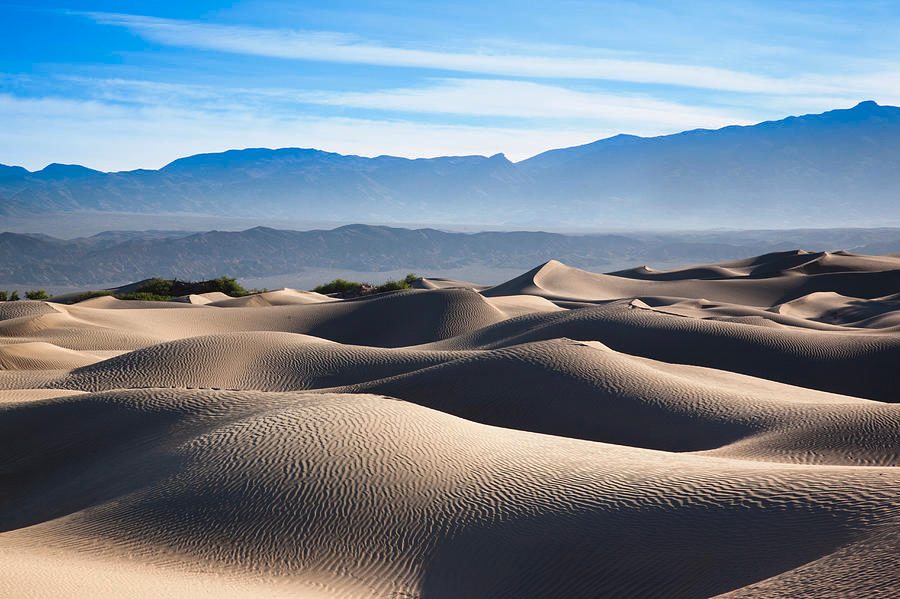
Walk about a half-mile into the dunes to find clean, rippled sand patterns that serve as a foreground for the vast desert sky. These shifting hills are perfect for guests on death valley stargazing tour from las vegas tours looking for unique textures.
Position your tripod on the salt flats to capture reflections of stars on the salt crust if moisture is present. Visitors on a death valley stargazing tour from las vegas tour often find this lowest point in North America provides the darkest skies.
This high-elevation point provides a bird's-eye perspective of the valley floor with the darkness of the sky above. Access is limited for those booking death valley stargazing tour from las vegas tickets, so check park accessibility before departing.
Planning a death valley stargazing tour from las vegas requires careful consideration of the long travel times and extreme environment for young travelers. Managing a celestial observation experience in this remote desert location demands attention to stamina and environmental shifts.
Expect a 10 to 12 hour commitment when booking a death valley stargazing tour from las vegas tours, as travel time from the city to the park is significant. Frequent breaks are limited by the remote nature of the terrain, so ensure children are prepared for long periods in the vehicle
Even in summer, desert nights can feel cool compared to the daytime heat, and desert environments fluctuate rapidly. Dress children in layers to ensure comfort while waiting for the sky to darken during your death valley stargazing tour from las vegas tour
Strollers are generally impractical on the uneven, rocky surfaces found at dark-sky observation sites. Consider a child carrier if you have infants or toddlers who require assistance navigating the terrain before obtaining your death valley stargazing tour from las vegas tickets
This experience is best suited for older children who can handle late-night schedules and remain quiet during astronomical viewing sessions. Most professional stargazing excursions involve desert landmarks that require walking in low-light conditions after sunset
Public restrooms are sparse throughout the park and often consist of basic pit toilets. Plan bathroom breaks carefully at official park visitor centers before heading to isolated viewing areas to minimize issues for younger family members.
Dining options are limited within the park, so many visitors planning a death valley stargazing tour from las vegas choose to eat at the Oasis at Death Valley before heading to dark sky viewing areas. While these venues offer convenience near California 190, Death Valley, CA 92328, it is wise to verify hours if you hold death valley stargazing tour from las vegas tickets for a late-night excursion.
Located at the Ranch at Death Valley, this venue serves steaks and casual American fare in a western-themed setting. It is a popular spot for a sit-down meal before evening celestial observations begin.
This expansive dining room offers a variety of hot and cold options suitable for groups or families. It provides a reliable, quick service style for those needing to fuel up prior to their death valley stargazing tour from las vegas tours.
This casual counter offers light breakfast items, sandwiches, and coffee perfect for a grab-and-go meal. It is well-suited for travelers catching a death valley stargazing tour from las vegas tour who prefer a lighter bite before heading into the desert night.
Everything you need to know for your journey
Yes, operations run daily to support consistent access to the dark skies of Death Valley National Park.
Prices vary by provider, so please check our live inventory grid for the best death valley stargazing tour from las vegas deals.
Yes, the entrance fee is 30 USD per private vehicle and is valid for 7 days.
Yes, most operators welcome families, though late hours should be considered for younger children.
Bring water, layers, and a red-light flashlight to enjoy your death valley stargazing tour from las vegas.
Many viewing areas are near established roads, but terrain varies within Death Valley National Park.
Yes, the park is open 24 hours, and arrival is recommended between 00:00–23:59 for optimal darkness.
The drive from Las Vegas typically takes 2 to 3 hours depending on your specific destination.
Yes, but guided tours are recommended to ensure you reach the best stargazing locations safely.
Restrooms are available at major visitor centers and some trailheads within Death Valley National Park.
Lowest elevation point in North America with salt flats.
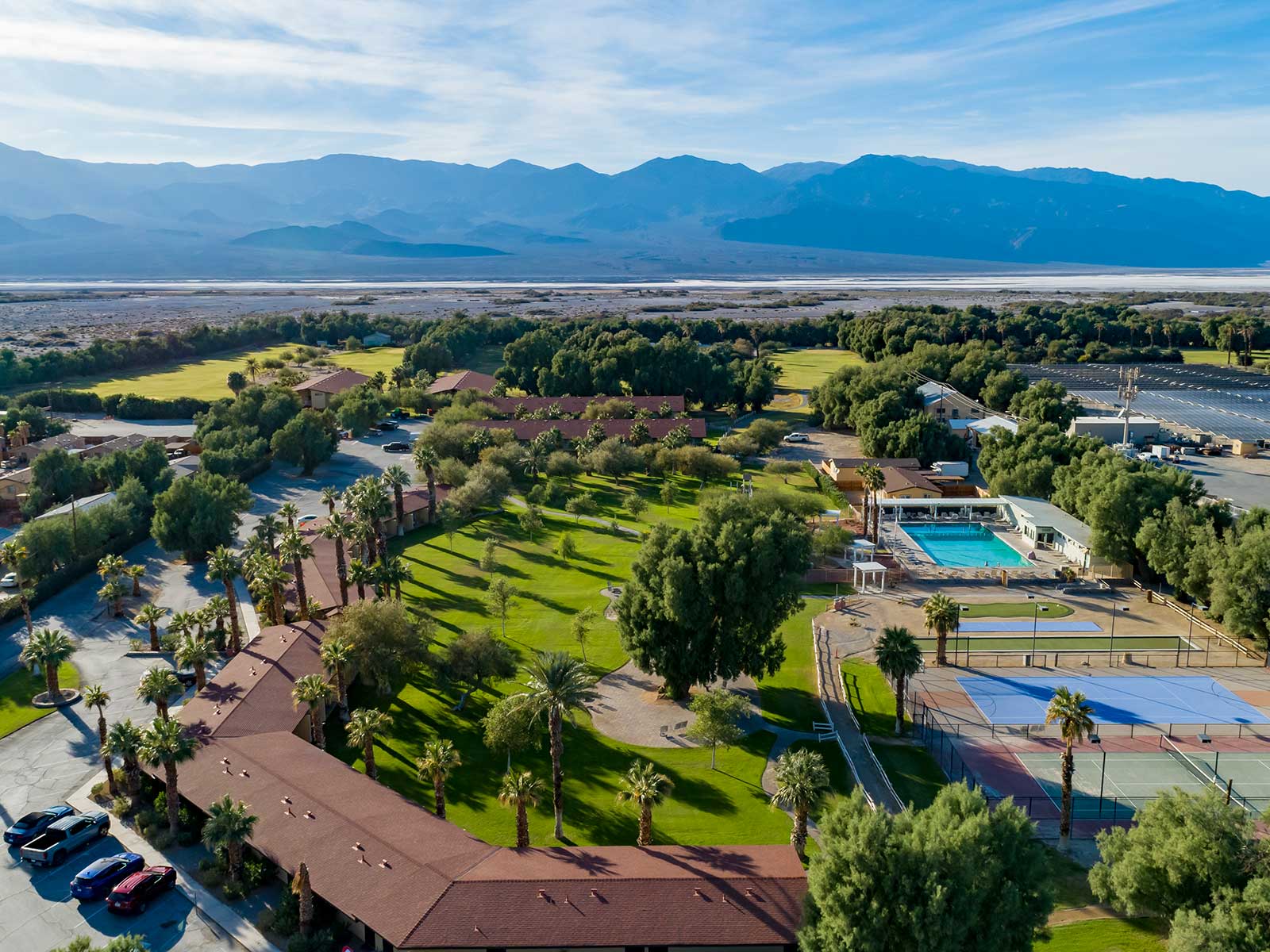
Historic resort with pools and dining options.
Join thousands of happy travelers who have discovered this incredible experience
Book Your Experience Now