

Quick answer
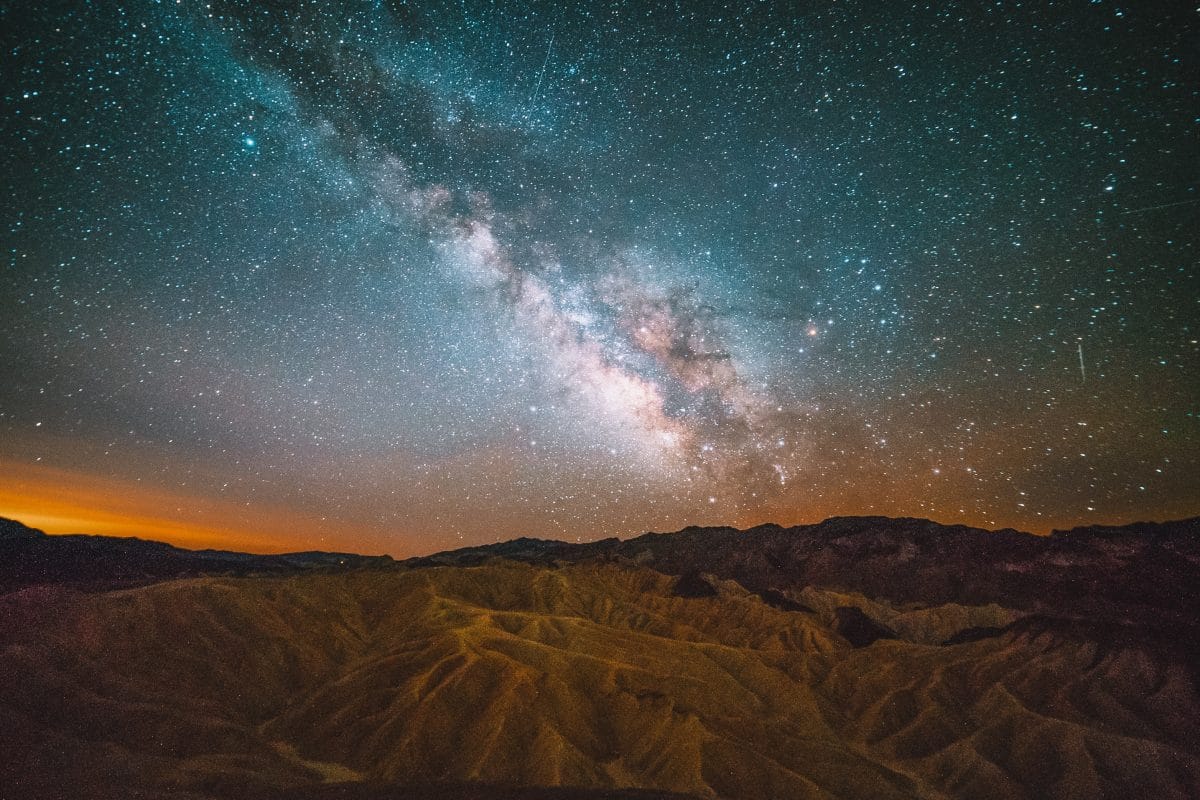
The park gate is open 00:00–23:59 every day, so any pullout inside the boundary is legally available for night sky viewing. The darkest, most-used areas sit on the valley floor between Furnace Creek and Stovepipe Wells, plus the Harmony Borax and Badwater Basin corridors. Moon phase matters more than location: a full moon washes out the Milky Way anywhere in the park.
On a moonless night, the light of Venus is bright enough to cast a visible shadow on the salt flats near Badwater Basin. That is not a figure of speech but a documented condition of Bortle Class 1 and 2 skies, and it explains why the question of where to stargaze in Death Valley draws astrophotographers from across the American Southwest. The park spans over three million acres, most of it without a single permanent light source. The practical constraint is not darkness but geometry. Death Valley is a graben — a sunken block of crust flanked by the Panamint Range to the west and the Amargosa Range to the east. Standing on the valley floor, a viewer loses a meaningful slice of the low horizon behind those walls, which matters when tracking planets near the ecliptic or waiting on a rising constellation. Higher ground at Dante's View or the passes near Emigrant trades that horizon back for altitude and colder air. Neither is wrong. The choice depends on whether the target is the Milky Way core arcing overhead in summer or a low-elevation object hugging the skyline. Light discipline is the second variable, and it is the one most first-time visitors get wrong. A single white headlamp or a car dome light resets night vision for the entire group and for anyone parked nearby, undoing the twenty to thirty minutes of dark adaptation the eye needs. Red light only, engines off, screens dimmed to their floor. Regular visitors treat a dark sky spot as shared property, because acoustically and optically, it is. Any serious Death Valley stargazing plan builds in that adaptation window before the first look upward. The remaining unknowns are seasonal and lunar. Summer brings the galactic core to a favourable position but also extreme overnight heat on the valley floor; winter delivers longer nights and steadier air at the cost of wind on the ridges. A lunar calendar checked against the trip dates does more for the outcome than any equipment purchase. Cell coverage is intermittent to nonexistent across most of the park, so route notes, moonrise times and a paper map belong in the vehicle before the last bar of signal disappears. Readers weighing where to stargaze in Death Valley against a guided outing will find the ranger programmes and outfitter options laid out on the booking pages, where the calendar reflects current availability.
“Light discipline is the second variable, and it is the one most first-time visitors get wrong.”
The Best Time and Where to Stargaze in Death Valley
The optimal time to stargaze in Death Valley is during the winter and spring months when nighttime temperatures are comfortable and the sky is consistently clear. Dark sky conditions are optimal at night away from light pollution.
November to March
Low to moderateCool, 40°F to 70°F
Stable weather provides clear skies for astronomical observation. This period avoids the extreme heat of summer.
April and October
ModerateMild, 60°F to 85°F
These transition months offer a balance of comfortable temperatures and darkness. Visitor density is higher during these periods.
May to September
HighExtreme, 90°F to 120°F+
Summer heat can exceed 120°F, making extended night viewing difficult. Humidity and occasional monsoonal clouds may affect visibility.
Verdict: The best stargazing conditions occur from November to March when temperatures are mild and the sky remains clear.
Top Viewpoints Where to Stargaze in Death Valley
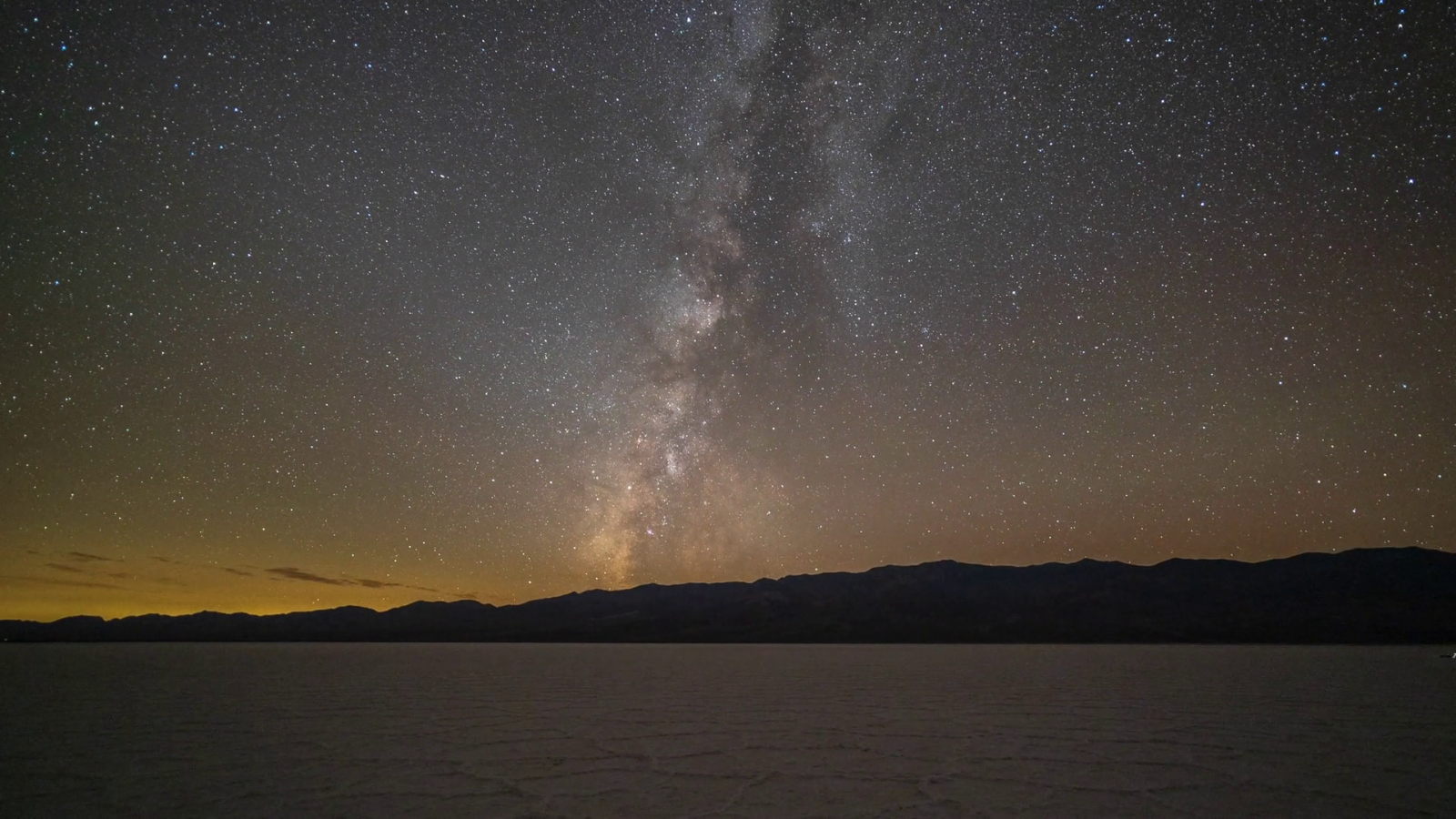
Badwater Basin
The salt flats provide a low horizon for wide-angle sky shots, accessible via the main parking area.
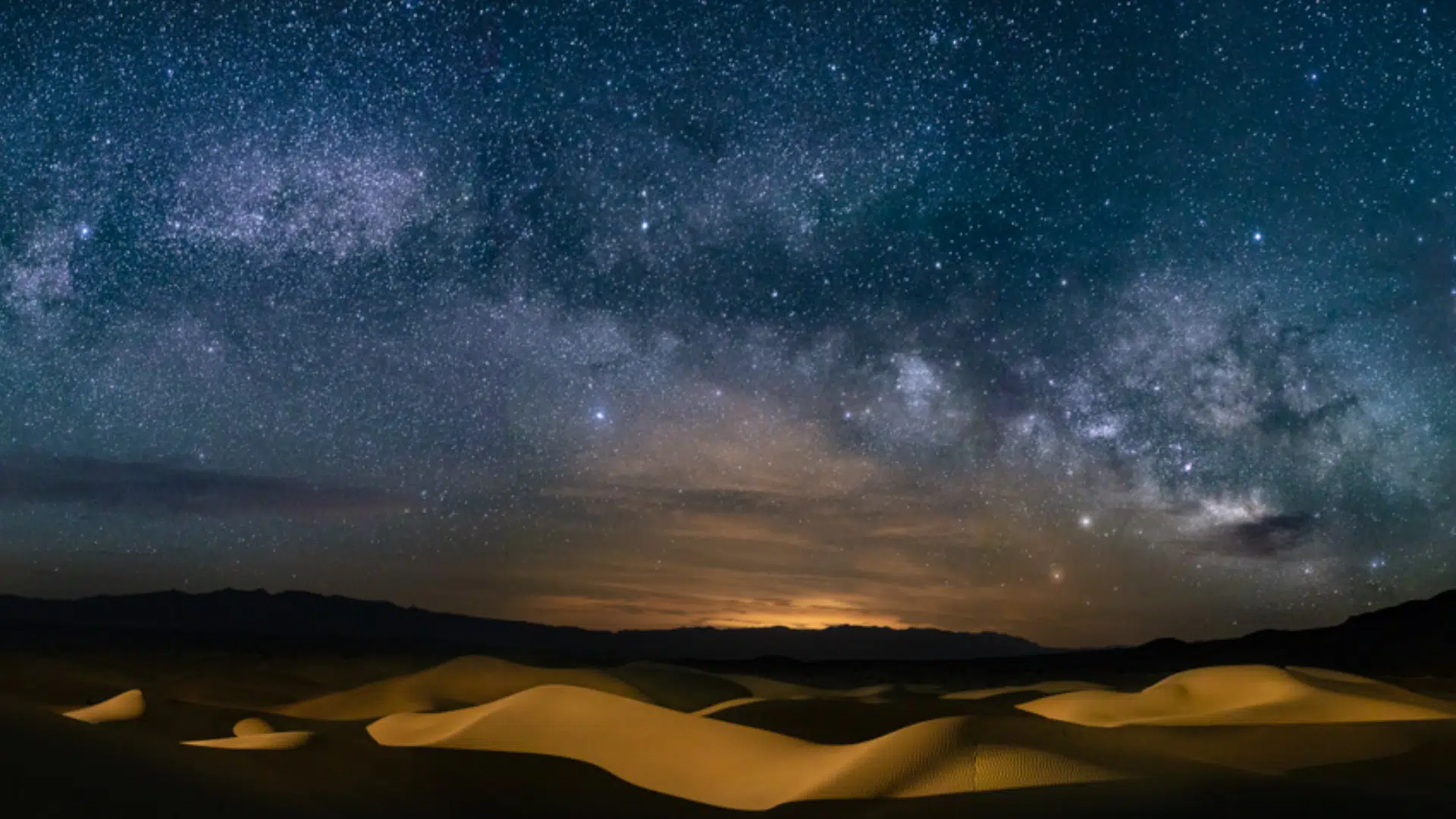
Mesquite Flat Sand Dunes
The shifting sand ripples create foreground texture against the dark celestial backdrop.
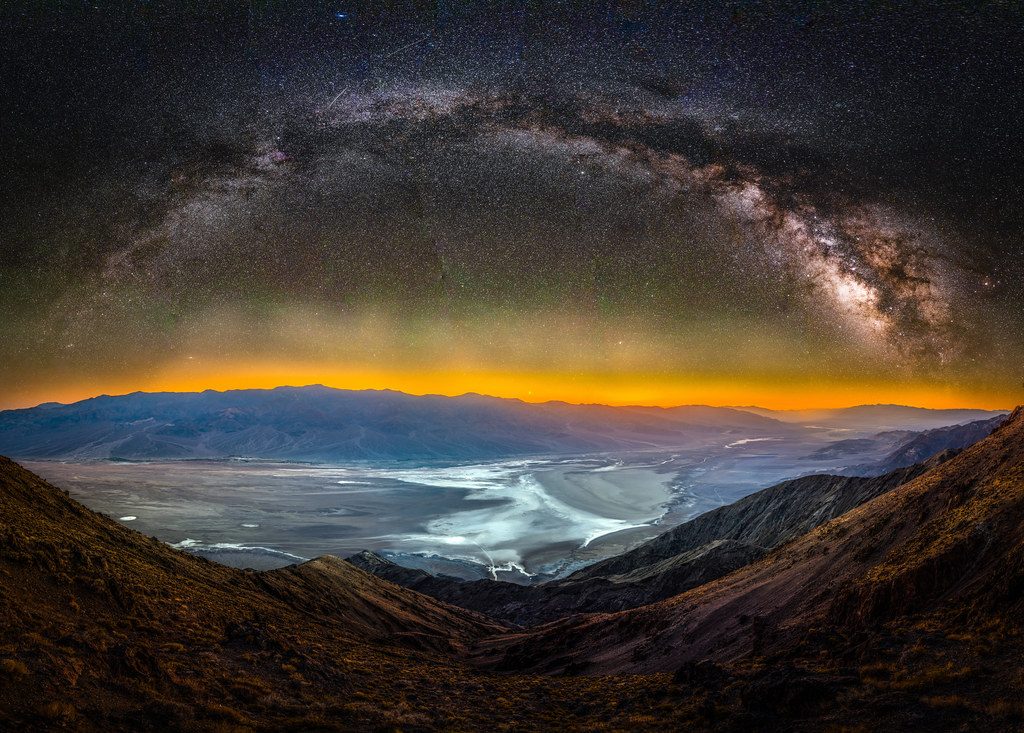
Dante's View
This high-elevation point offers a panoramic perspective of the valley floor beneath the stars.
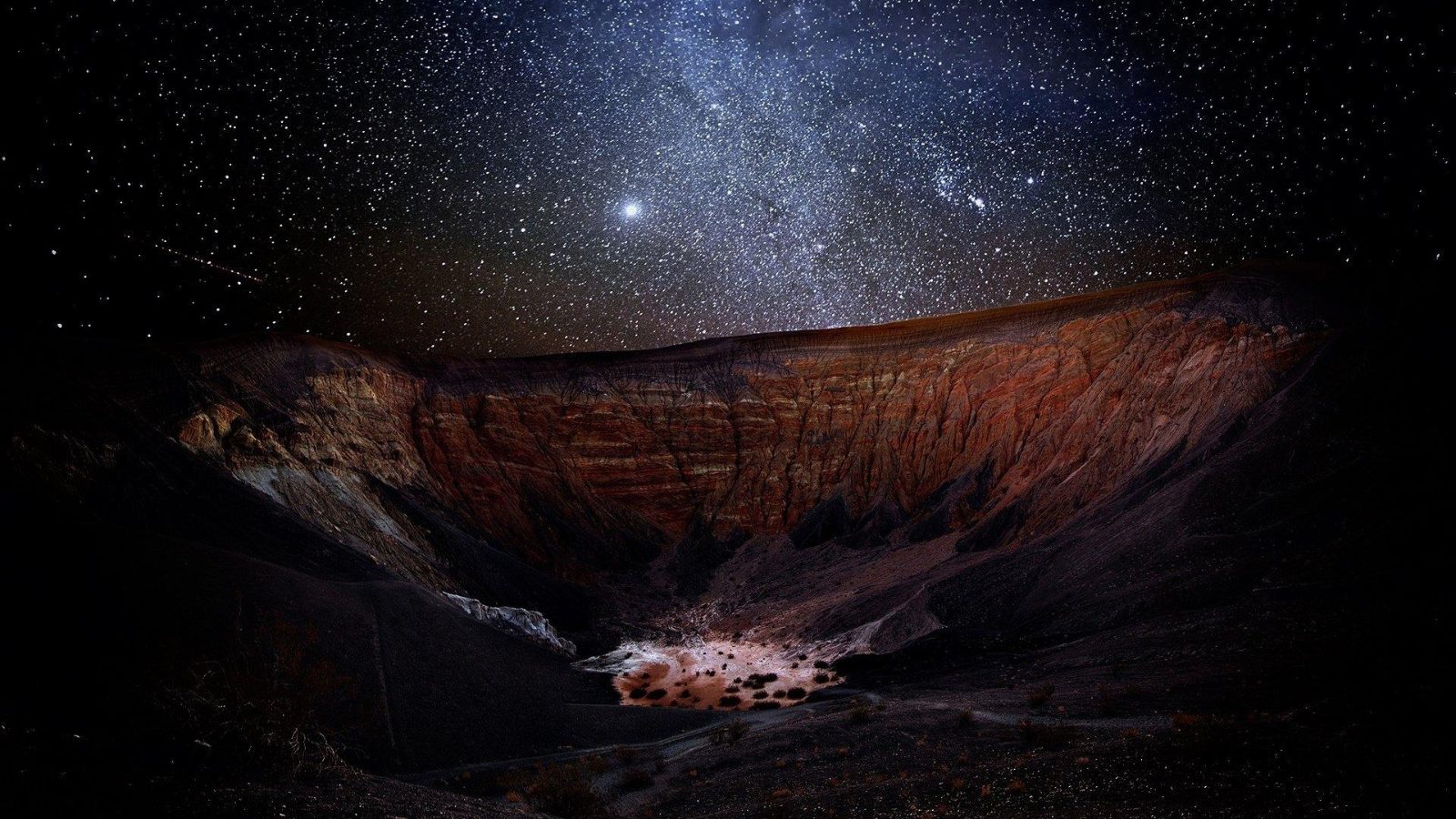
Ubehebe Crater
The dramatic volcanic rim provides a unique geological frame for astrophotography.
Getting to Locations Where to Stargaze in Death Valley
Death Valley National Park is located in eastern California, accessible primarily by vehicle via a network of state routes. Navigating to stargazing sites requires driving on paved park roads followed by short distances on well-maintained gravel access roads.
CA-190 West from Beatty, NV
CA-127 North to Badwater Road
Badwater Road from Shoshone, CA
Preparation Tips for Where to Stargaze in Death Valley
Night in the park is cold, dark, and far from help, so the gear and safety prep below matters more than anything else you pack.
-
Download offline maps beforehand — Cell coverage disappears across most of the park, including the darkest sites.
-
Pack layers for near-freezing nights — Desert temperatures drop sharply after sunset, even after hot days.
-
Carry a red-light headlamp — Red light preserves night vision for you and everyone nearby.
-
Fill fuel tank and water containers — Services are scarce and distances between them run long.
-
Tell someone your route and return time — Breakdowns at night on remote roads can go unnoticed for hours.
-
Stay on established roads and pullouts — Driving off-road damages fragile desert soil and risks getting stuck.
-
Check the moon phase before setting out — A bright moon washes out the Milky Way entirely.
-
Bring a tripod and manual-focus camera — Handheld shots fail at the exposures night sky photography needs.
Operational Hours for Where to Stargaze in Death Valley
Death Valley National Park remains open to visitors every day of the week, twenty-four hours a day. This schedule provides consistent access for nighttime stargazing activities throughout the year.
| Monday | 00:00–23:59 | |
|---|---|---|
| Tuesday | 00:00–23:59 | |
| Wednesday | 00:00–23:59 | |
| Thursday | 00:00–23:59 | |
| Friday | 00:00–23:59 | |
| Saturday | 00:00–23:59 | |
| Sunday | 00:00–23:59 |
Check availability
Frequently Asked Questions About Stargazing in Death Valley
Everything you need to know about where to stargaze in death valley